Nothing is more frustrating during a hot, humid New Orleans summer than discovering your air conditioner won’t cool. One moment your home feels comfortable, and the next, warm air blows from the vents while temperatures outside climb into the 90s. In our high-humidity climate, an AC that isn’t cooling properly can quickly make your home unbearable and lead to much higher energy bills.
At Zees Air Conditioning Inc., we receive dozens of calls every week from homeowners in New Orleans, Gretna, Metairie, Kenner, Harvey, Marrero, and the Westbank facing this exact problem. This comprehensive, step-by-step troubleshooting guide (over 3,450 words) will help you diagnose the issue safely, understand common causes specific to our local climate, and know exactly when it’s time to call professionals.
Why Your AC Might Stop Cooling in New Orleans
New Orleans’ extreme heat and humidity put tremendous stress on air conditioning systems. Common triggers include:

- High pollen and dust levels clogging components
- Frequent power fluctuations and surges
- Rapid temperature swings
- Aging systems in older homes common in Gretna and historic neighborhoods
- Condensate drain issues due to constant moisture
Before you panic or call for emergency service, follow this systematic troubleshooting process.
Safety First: Important Warnings
- Never attempt electrical or refrigerant work yourself
- Turn off power at the breaker before inspecting indoor components
- If you smell gas or burning, evacuate and call professionals immediately
- Carbon monoxide safety is critical with gas furnaces
Common Causes of “AC Won’t Cool” in New Orleans
1. Dirty Air Filter The #1 cause in our high-pollen, humid environment.
2. Low Refrigerant Levels Usually caused by leaks. This is a professional-only repair.
3. Dirty Condenser or Evaporator Coils Pollen, dirt, and mold build up rapidly here.
4. Failed Capacitor A very common failure in our hot climate.
5. Clogged Condensate Drain Leads to water backup and system shutdown.
6. Thermostat Problems Faulty wiring or calibration issues.
7. Electrical Failures Contactors, wiring, or control board problems.
8. Ductwork Issues Leaks, blockages, or poor design.
Step-by-Step Troubleshooting Guide: Air Conditioner Won’t Cool
When your air conditioner won’t cool in the sweltering New Orleans heat and humidity, it can quickly turn your home into an uncomfortable sauna. Before calling for professional help, follow this comprehensive, step-by-step troubleshooting guide. Each step includes detailed explanations, common New Orleans-specific issues, safety tips, and what to do next if the problem persists.
Step 1: Check the Thermostat The thermostat is the brain of your cooling system. Many “AC won’t cool” issues in New Orleans start here.
- Verify the thermostat is set to “Cool” mode and the temperature is set at least 3–5 degrees lower than the current room temperature.
- If it’s a battery-powered model, replace the batteries with fresh ones — weak batteries are a surprisingly common cause of system failure.
- Test the system by lowering the temperature setting further and waiting 10–15 minutes to see if cooling begins.
- Check for any error codes or blank screens that might indicate wiring or programming issues.
In New Orleans homes, thermostats placed near windows, heat sources, or in direct sunlight often give false readings, causing the system to shut off prematurely. Consider upgrading to a smart thermostat for better humidity control and remote monitoring — a popular solution for local homeowners dealing with high humidity. If the thermostat seems faulty, it’s time to move to professional diagnostics.
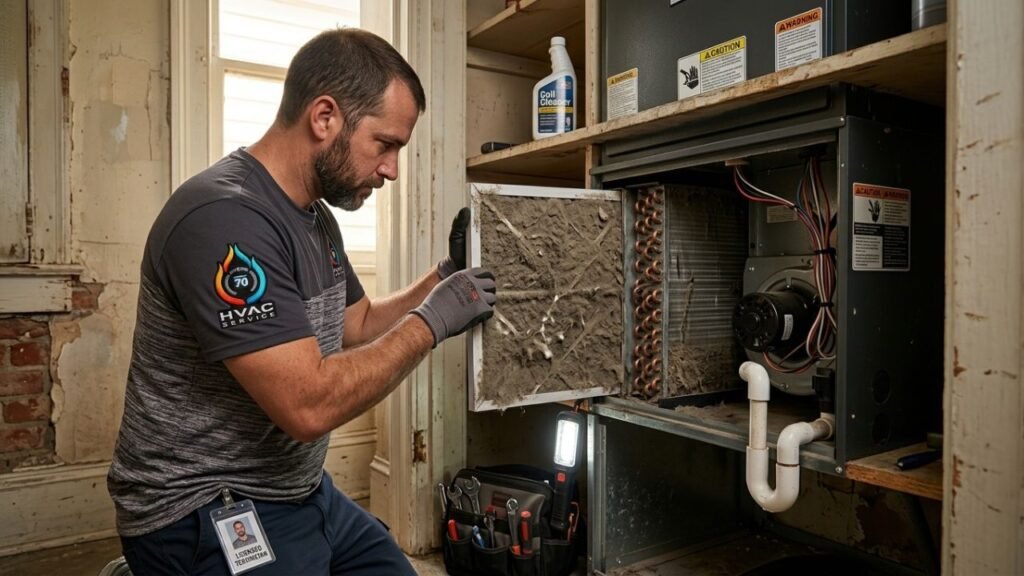
Step 2: Inspect and Replace the Air Filter A dirty or clogged air filter is the most common reason an AC won’t cool properly in New Orleans. Our high pollen count, dust, and humidity cause filters to become saturated very quickly.
- Locate the filter (usually near the return vent or inside the air handler).
- If it looks gray, dusty, or clogged, replace it immediately with a new high-quality filter (MERV 8–11 recommended).
- This single step often restores significant airflow and cooling power within minutes.
Pro Tip for New Orleans: During peak summer, change filters every 30 days (or sooner if you have pets). A restricted filter forces the system to work harder, reduces cooling capacity, and can eventually cause the evaporator coil to freeze. Keeping clean filters is one of the easiest and cheapest ways to prevent bigger problems.
Step 3: Verify Power Supply Even if the thermostat is calling for cooling, the system may not have power.
- Confirm both the indoor air handler and outdoor condenser unit have power.
- Check your electrical panel for tripped breakers or blown fuses — this is especially common after thunderstorms in New Orleans.
- Inspect the disconnect box near the outdoor unit to ensure the switch is in the “On” position.
- Look for any warning lights or error codes on the system.
Power issues are frequent in our area due to frequent storms and aging electrical infrastructure. If the system still won’t start after resetting breakers, there may be a deeper electrical problem requiring professional attention.
Step 4: Examine the Outdoor Condenser Unit The outdoor unit is the “exhaust” part of your AC system and must be clean and unobstructed to release heat effectively.
- Make sure the unit is free of leaves, grass clippings, dirt, and debris. Maintain at least 2–3 feet of clear space around it.
- Check if the condenser fan is spinning when the system is running. A non-spinning fan usually means a bad capacitor or motor.
- Gently clean the fins with a low-pressure garden hose (power off first) to remove pollen and dirt buildup common in New Orleans.
- Listen carefully for unusual noises such as clicking, grinding, or humming.
A blocked or dirty condenser is a leading cause of poor cooling during our long, humid summers.
Step 5: Check for Ice Buildup Ice on the indoor evaporator coil or refrigerant lines is a serious warning sign.
- Turn the thermostat to “Fan Only” mode and let it run for several hours to thaw safely.
- Do not try to chip away ice — this can damage the coil.
- Ice formation usually indicates restricted airflow (dirty filter/coil) or low refrigerant levels.
In New Orleans humidity, ice problems can escalate quickly and lead to water damage if ignored.
Step 6: Inspect the Condensate Drain Line High humidity in our area produces large amounts of condensate. A clogged drain line can trigger a safety float switch that shuts down the entire system.
- Locate the drain line exit (often near the outdoor unit or foundation).
- Pour a mixture of vinegar and water down the line or use a wet/dry vacuum to clear minor clogs.
- Check the indoor drain pan for standing water or overflow.
Regular drain maintenance prevents water damage and system shutdowns.
Step 7: Test Airflow at Multiple Vents Weak or warm airflow in certain rooms often points to duct issues or blower motor problems.
- Feel the air coming from every supply vent.
- Compare strength and temperature between rooms.
- Weak airflow in multiple vents may indicate a failing blower motor or major duct problems.
Step 8: Listen for Strange Noises Unusual sounds from the indoor or outdoor unit almost always signal mechanical failure.
- Grinding, screeching, or rattling usually means bearing or motor issues.
- Clicking or buzzing often points to electrical problems like a bad capacitor.
- Humming without the fan spinning indicates a failed capacitor or contactor.
Any persistent strange noise requires prompt professional attention to prevent major damage.
When to Stop Troubleshooting and Call Professionals
Call Zees Air Conditioning Inc. immediately if you notice:
- No improvement after basic steps
- Strange noises or burning smells
- Visible ice or water leaks
- Electrical sparking or tripped breakers
- Suspected refrigerant leak
Schedule Professional AC Repair in New Orleans
Preventive Maintenance to Avoid Future “Won’t Cool” Issues
- Change filters every 30 days
- Schedule professional tune-ups twice per year
- Keep the outdoor unit clear
- Have ducts inspected regularly
- Consider UV lights for mold control
Real Stories from New Orleans Homeowners
A Gretna family thought their AC was failing completely. It turned out to be a simple dirty filter and clogged drain line. After quick service, their system was cooling perfectly again. Another Metairie homeowner avoided a $1,800 repair by catching a failing capacitor early.

Cost Guide for AC Repairs in New Orleans
- Capacitor replacement: $150 – $350
- Refrigerant leak repair: $400 – $950
- Coil cleaning: $300 – $650
- Full system diagnosis: $85 – $150
Summary: Don’t Guess — Troubleshoot Smartly
An air conditioner that won’t cool is usually fixable with the right approach. By following this detailed troubleshooting guide, you can often identify and resolve simple issues yourself. However, for safety and complex problems, professional help is the smartest choice.
Zees Air Conditioning Inc. is ready to help with fast, reliable AC repair throughout New Orleans and Gretna.
Need help with your air conditioner? Schedule Professional AC Repair in New Orleans
FAQ
Check the thermostat, replace the air filter, and ensure the outdoor unit has power.
Yes. This is a common issue that requires professional repair.
A properly working system should cool your home by 15–20 degrees within a few hours.
Yes. It can damage the compressor and lead to much more expensive repairs.
Twice per year is recommended due to our challenging climate.


