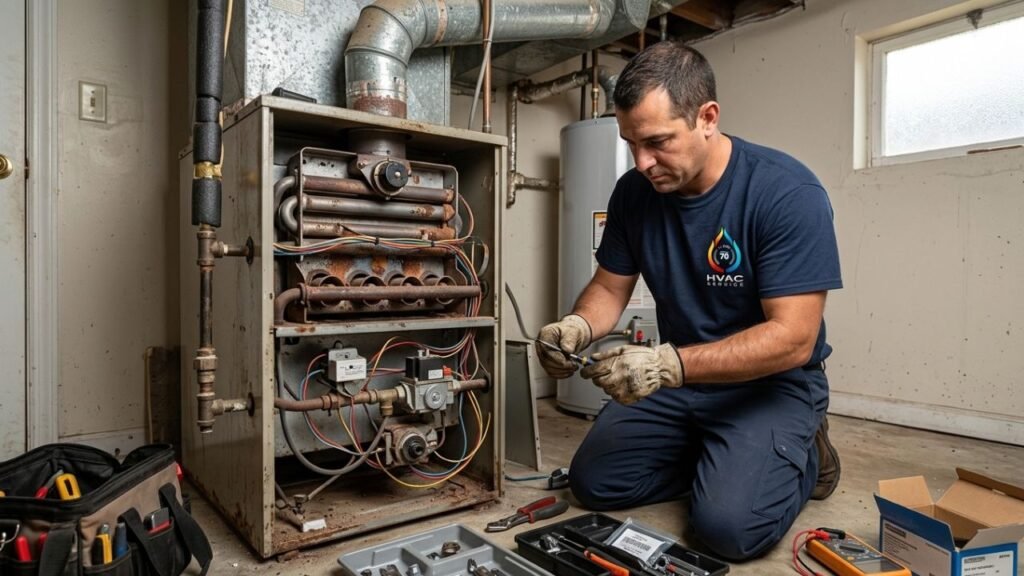
Many homeowners in New Orleans and Gretna face this exact dilemma every winter: “Can heating repairs extend the life of my older system, or am I just throwing money away?”
With our humid climate, frequent temperature swings, and many homes built decades ago, older heating systems are very common. A major repair can cost $1,000–$4,000, while a full replacement runs $4,500–$9,500+. The decision feels overwhelming — especially when the system is 12–18 years old and you’re unsure if repairs will buy you meaningful time or just delay the inevitable.
At Zees Air Conditioning Inc., we’ve helped thousands of families across New Orleans, Gretna, Terrytown, Harvey, Marrero, and the Westbank navigate this choice. This comprehensive, in-depth guide answers the question honestly, with real data, local context, cost breakdowns, warning signs, and clear recommendations to help you decide what’s truly best for your home and budget.
The Honest Answer: Yes, But Only Sometimes
Heating repairs can extend the life of an older system — but success depends heavily on the age of the system, the specific problem, your repair history, and how well the system has been maintained.
In our local climate, well-executed repairs on a 10–13 year old system can often add 3–6 more years of reliable service. However, on a 15+ year old system with multiple prior repairs, repairs usually only provide temporary relief of 6–18 months before another issue arises.
When Heating Repairs Can Successfully Extend Life
Repair is often worthwhile when:
- The system is 10–13 years old and has been well-maintained
- The problem is isolated to one or two components
- Repair cost is less than 40–50% of a new system
- The rest of the system is in good overall condition
- You plan to stay in your home for only a few more years
Common Repairable Issues That Often Extend Life:
- Failed capacitors or contactors
- Blower motor replacement
- Ignition or pilot light repairs
- Minor electrical fixes
- Condensate drain cleaning and repair
Real Example: A Gretna homeowner with a 12-year-old furnace had a failing blower motor. We replaced it for $720. The system continued providing reliable heat for four more winters with regular maintenance.
Cost Comparison: Repair vs Replacement in Our Area
Understanding the real costs of heating repair vs replacement is crucial for making an informed decision in New Orleans and Gretna. While a single repair might seem cheaper upfront, the long-term financial picture often tells a different story — especially in our humid climate where systems age faster and repairs can become frequent.
Major Heating Repairs: Typical costs for significant repairs in our area range from $800 – $4,000+ per incident. This includes labor, parts, and diagnostic fees. Common examples:
- Blower motor replacement: $500 – $1,200
- Heat exchanger repair: $1,200 – $3,000
- Full electrical overhaul: $800 – $2,500
Full Heating Replacement: A complete new system installation typically costs $4,500 – $9,500+, including removal of the old unit, new high-efficiency furnace or heat pump, basic duct modifications, startup, and testing. High-efficiency models with variable-speed technology tend to be at the higher end but offer substantial long-term savings.
Long-term Math: A $2,500 repair on a 15-year-old system might buy you 1–2 more seasons of heat. However, that same money could be applied toward a new high-efficiency system that could save $400–$800 per year on energy bills while providing better comfort and reliability for 15–20 years. Over a 5-year period, the new system often pays for a large portion of itself through energy savings alone, not to mention avoiding repeated repair calls.
Important Note for Mandeville & Northshore Homeowners: Local labor and material costs are competitive, but emergency repairs during peak winter months can add 20–30% premiums. Planning ahead with regular maintenance helps avoid these rushed, expensive situations.
Key Factors to Consider Before Deciding

Making the right choice between heating repair and replacement requires looking at more than just the immediate cost. Here are the key factors every homeowner in New Orleans and Gretna should evaluate carefully:
1. Age of Your Current System Systems over 12 years old are in the high-risk zone in our humid climate. At 14+ years, even successful repairs become less effective and often only provide temporary relief. Humidity, temperature swings, and constant use accelerate wear on critical components. If your system is approaching or past this age, replacement is frequently the smarter long-term investment.
2. Repair History Frequent repairs signal widespread deterioration. If you’ve had multiple major repairs in recent years, the system is likely failing overall. Multiple repairs in the last 2–3 years usually mean replacement is the more cost-effective and less stressful choice.
3. Energy Efficiency Older systems waste 30–50% more energy than modern high-efficiency models. A new system can cut your heating costs by 20–40%, often paying for itself within 5–8 years through lower monthly bills. This is especially noticeable during our long winters when the system runs frequently.
4. Overall Home Comfort If you have cold spots, high indoor humidity, weak airflow, or uneven temperatures, a new system with modern technology (like variable-speed blowers and better zoning) often solves multiple problems at once, providing consistent, comfortable heat throughout your entire home.
5. Long-Term Plans Consider how long you plan to stay in your home. If selling soon, a repair may be sufficient to keep the home marketable. If staying long-term (5+ years), investing in a new system provides better value, lower operating costs, and greater peace of mind.
6. Safety Concerns Safety should always come first. Cracked heat exchangers or carbon monoxide risks make replacement the only safe choice. In our area, older systems are more prone to these dangerous issues. If your technician identifies safety concerns, replacement is strongly recommended to protect your family.
When Repairs Are Unlikely to Extend Life Meaningfully
Replacement is usually the better choice when:
- The system is 14+ years old
- You’ve had 3+ major repairs in the last 3 years
- Repair costs are approaching 50% or more of replacement cost
- Multiple components are failing simultaneously
- Energy bills have risen sharply despite recent repairs
- Safety issues (cracked heat exchanger, CO concerns) are present
Why Repairs Often Fail on Very Old Systems: At 15+ years, wear is widespread. Fixing one part frequently leads to another failure soon after. In our humid climate, corrosion and component fatigue make older systems unpredictable.
Real Stories from New Orleans & Gretna Homeowners
A Terrytown family spent $3,200 on repairs for their 15-year-old furnace in one winter. After replacement, their new system cut bills by 35% and eliminated constant service calls. Another Gretna homeowner successfully extended their 11-year-old system by 4 years with targeted repairs and strict maintenance.
Prevention Tips to Maximize Remaining Life (If You Choose Repair)
- Schedule professional maintenance twice per year
- Change air filters monthly during winter
- Keep vents clear
- Test CO detectors regularly
- Address small issues immediately
Summary: Make the Smart, Informed Choice
Heating repairs can extend the life of an older system — but only up to a point. For systems under 12 years with isolated issues, repairs are often worthwhile. For older systems with frequent problems or safety concerns, replacement is usually the better long-term decision.
Zees Air Conditioning Inc. is here to give you honest, transparent advice tailored to New Orleans and Gretna homes.
Need help evaluating your heating system? Schedule Your Heating Repair Evaluation
FAQs
If your system is under 12 years old, has had few repairs, and the fix is under 50% of replacement cost, repair is often worthwhile.
When the system is over 12–14 years old, has frequent repairs, or shows safety issues like cracked heat exchangers.
Most full replacements range from $4,500 to $9,500 depending on efficiency level and home size.
Yes. Energy savings of 20–40% plus fewer repairs usually make replacement more economical over 5–7 years.
Yes. We provide flexible financing options to make replacement affordable for most families.


