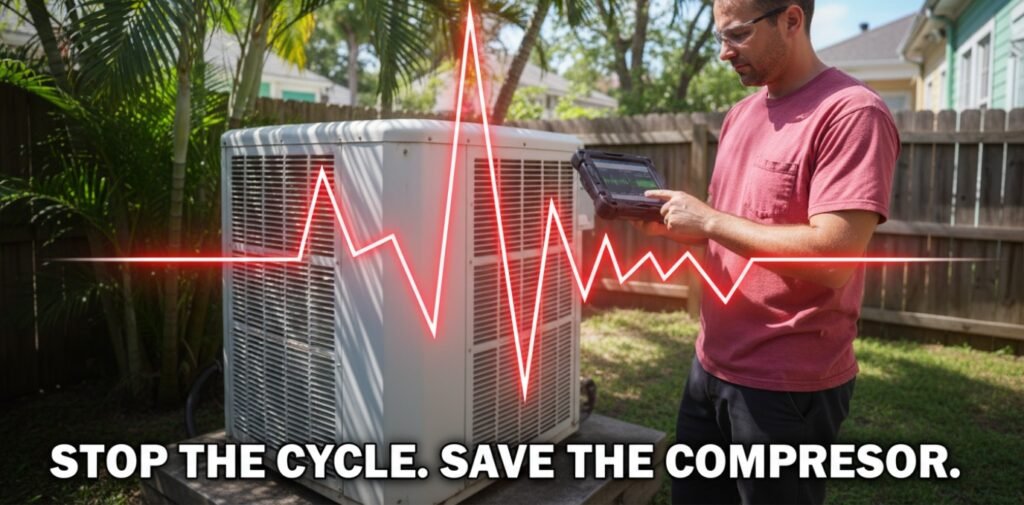
In New Orleans, your air conditioner isn’t just a luxury—it’s a necessity. When summer heat, humidity, and sudden temperature spikes hit, your A/C system works overtime. At the heart of that system is the A/C compressor, often called the “engine” of your air conditioner.
When the compressor starts to fail, the entire system suffers. Unfortunately, many homeowners don’t recognize the warning signs until the A/C stops completely—usually on the hottest day of the year.
At Zees AirConditioning Inc, we regularly help homeowners across New Orleans and the metro area identify compressor issues early, saving them from emergency breakdowns and costly replacements. This guide explains exactly how to spot compressor failure, what causes it, and what to do next.
What Does an A/C Compressor Actually Do?
Before identifying failure signs, it helps to understand the compressor’s role.
The A/C compressor:
✔ Pressurizes refrigerant
✔ Circulates refrigerant through the system
✔ Enables heat transfer from inside your home to outdoors
✔ Makes cooling possible
If the compressor isn’t working properly, your A/C may run—but it won’t cool effectively.
Why Compressor Problems Are Common in New Orleans
New Orleans presents unique challenges for air conditioning systems:
- High humidity year-round
- Long cooling seasons
- Salt air in nearby coastal areas
- Power fluctuations during storms
- Heavy system workload
These conditions put extra strain on compressors, making early detection especially important.
Early Signs of A/C Compressor Failure You Should Never Ignore
1. Warm Air Coming From Vents
One of the most obvious warning signs is warm or weak airflow. If your A/C is running but your home isn’t cooling, the compressor may be struggling to circulate refrigerant properly.
This is often one of the first red flags homeowners notice.
2. A/C Unit Turns On and Off Frequently (Short Cycling)
Short cycling occurs when your system starts, stops, and restarts rapidly.
⚠️ Possible compressor-related causes:
- Overheating compressor
- Electrical issues
- Refrigerant imbalance
Short cycling not only affects comfort but can also damage the compressor further.
3. Strange or Loud Noises From the Outdoor Unit
A healthy compressor operates quietly. If you hear:
- Banging
- Grinding
- Clicking
- Rattling
It may indicate internal compressor damage or failing electrical components.
🔧 Loud noises should never be ignored.
4. Tripped Circuit Breaker When A/C Starts
Compressors draw a significant amount of power. If your breaker trips repeatedly when the A/C turns on, it may signal:
- Compressor overheating
- Electrical short
- Motor failure
This is both a performance and safety concern.
5. Outdoor Unit Vibrates Excessively
While some vibration is normal, excessive shaking or movement often points to compressor issues.
Possible causes include:
- Loose internal components
- Mounting problems
- Motor imbalance
Left untreated, this can lead to complete system failure.
6. Burning or Electrical Smells
A burning smell near your A/C unit can indicate:
- Compressor motor overheating
- Wiring damage
- Electrical failure
🚫 Turn the system off immediately and call a professional if you notice this.
7. Higher Energy Bills With No Usage Change
A failing compressor works harder to cool your home, consuming more energy.
📈 If your utility bills spike suddenly, compressor inefficiency could be the reason.
Common Causes of A/C Compressor Failure
Understanding what causes failure helps prevent it.
Major causes include:
- Lack of regular maintenance
- Dirty condenser coils
- Low or leaking refrigerant
- Electrical surges
- Poor airflow
- Incorrect system sizing
At Zees AirConditioning Inc, we often see compressor failures that could have been prevented with routine inspections.
Can a Failing Compressor Be Repaired?
Sometimes—yes. Other times, replacement is the better option.
Repair may be possible if:
✔ The issue is electrical
✔ The compressor is still under warranty
✔ Damage is minimal
Replacement is recommended if:
❌ The compressor is mechanically damaged
❌ Repairs cost more than half of system value
❌ The system is over 10–15 years old
Repair vs Replacement Comparison
| Factor | Repair | Replacement |
| Cost | Lower short-term | Higher upfront |
| Reliability | Temporary | Long-term |
| Energy Efficiency | No improvement | Significant improvement |
| Warranty | Limited | New warranty |
| Best For | Minor issues | Aging systems |
A professional evaluation ensures the right decision.
How Compressor Failure Affects Indoor Comfort
When the compressor fails:
- Cooling becomes uneven
- Humidity levels rise
- Indoor air quality worsens
- System stress increases
In New Orleans’ humid climate, this can make indoor conditions uncomfortable very quickly.
When Should You Call an HVAC Professional?
Call immediately if:
✔ Your A/C isn’t cooling
✔ Breakers trip repeatedly
✔ You hear loud or unusual noises
✔ You smell burning odors
Delaying service can turn a small issue into a full system replacement.
Why New Orleans Homeowners Trust Zees AirConditioning Inc
Homeowners across the metro area choose Zees AirConditioning Inc because we offer:
✔ Honest diagnostics
✔ Local climate expertise
✔ Transparent repair options
✔ Reliable emergency service
✔ Long-term solutions—not quick fixes
We treat compressor problems with urgency and care.
Final Thoughts
A/C compressor failure rarely happens overnight. Your system gives warnings—noise, heat, high bills, and frequent shutdowns.
By recognizing these signs early and contacting Zees AirConditioning Inc, New Orleans homeowners can avoid uncomfortable breakdowns and expensive surprises.
If your A/C doesn’t feel right, trust your instincts—and call the experts before the problem gets worse.
FAQs
Yes, but it won’t cool properly and may cause further damage if left running.
Most compressors last 10 to 15 years, depending on usage and maintenance.
Often yes, especially manufacturer warranties, but labor may not be included.
Yes. Low refrigerant forces the compressor to overwork, leading to failure.
If the system is older or inefficient, replacing the entire unit is usually the smarter investment.


