When most people think of New Orleans weather, they picture blazing summers, heavy rain, and sticky humidity. Winter rarely gets the spotlight. But if you live here, you know the truth: New Orleans winters may be mild, but they are relentlessly humid—and that humidity can quietly damage your heating system.
Many homeowners assume heaters only struggle in freezing northern climates. In reality, humidity is one of the most destructive forces an HVAC system can face, especially during winter when systems aren’t designed to manage excess moisture. Rust, corrosion, mold growth, electrical failures, and airflow issues often start in winter—long before your heater fully gives out.
So the big question is:
Can your heater actually survive a New Orleans winter?
Let’s break it down.
Understanding New Orleans’ Humid Winter Climate
Unlike cold, dry northern winters, New Orleans experiences:
- Average winter humidity levels of 70–90%
- Frequent rain and damp air
- Mild temperatures that cause heaters to cycle on and off repeatedly
- Moisture buildup in attics, crawl spaces, and ductwork
This creates a perfect storm for heating systems. While heaters are built to generate warmth, they are not naturally designed to fight constant moisture.
That’s why local expertise matters. At Zees AirConditioning Inc, we regularly see heaters fail not because of age—but because they weren’t prepared for humidity.
How Humidity Affects Different Parts of Your Heater
Humidity doesn’t attack your heater all at once. It works slowly, damaging components one by one.
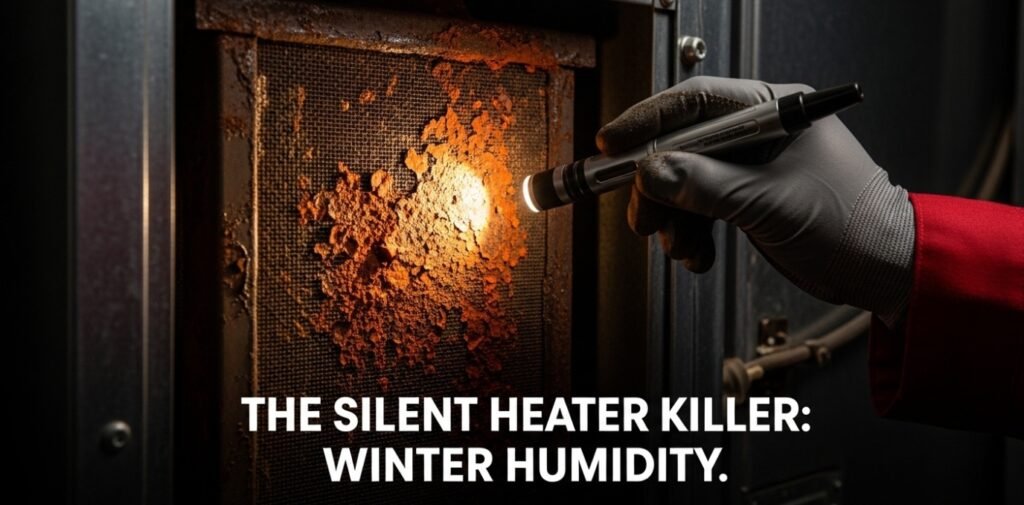
1. Corrosion of Internal Components
Metal parts inside furnaces and heat pumps—such as burners, heat exchangers, and coils—can begin to rust when exposed to excess moisture.
⚠️ Over time, corrosion can:
- Reduce heating efficiency
- Cause cracks in heat exchangers
- Create dangerous carbon monoxide risks
2. Electrical Issues
Moisture and electronics are a bad mix.
Humidity can:
- Damage wiring
- Cause short circuits
- Trigger frequent system shutdowns
- Lead to thermostat malfunctions
Many winter “mystery breakdowns” we see at Zees AirConditioning Inc are actually moisture-related electrical failures.
3. Mold Growth Inside the System
Warm air + moisture = mold.
Once mold grows inside your heater or ductwork:
- It spreads through your home
- Triggers allergies and respiratory issues
- Lowers indoor air quality dramatically
This is one of the biggest hidden dangers of humid winters.
Is Your Heater at Risk? Warning Signs to Watch For
Your heater usually gives warning signs before failing. Pay attention to these red flags during winter:
⚠️ Musty or damp odors when the heater runs
⚠️ Uneven heating across rooms
⚠️ Increased energy bills with no temperature change
⚠️ Short cycling (turning on and off frequently)
⚠️ Rust or corrosion near vents or furnace panels
⚠️ Excess condensation around ducts or unit
If you notice even one of these, your system may already be struggling against humidity.
Heat Pumps vs Furnaces: Which Handles Humidity Better?
Many New Orleans homes use heat pumps instead of traditional furnaces. But which performs better in humid winters?
Heating System Comparison Table
| Feature | Furnace | Heat Pump |
| Humidity Resistance | Moderate | Higher |
| Energy Efficiency | Medium | High |
| Moisture Control | Limited | Better |
| Maintenance Needs | Higher in humidity | Lower |
| Ideal for New Orleans | Depends | Yes |
Heat pumps generally handle humidity better—but only if properly installed and maintained.
That’s where professional evaluation from Zees AirConditioning Inc makes all the difference.
Why Local Maintenance Matters More Than You Think
Generic HVAC maintenance doesn’t work for New Orleans homes.
Why? Because:
- National guidelines don’t address high winter humidity
- Out-of-state contractors often overlook moisture control
- Improper sealing allows humid air into ducts and equipment
Zees AirConditioning Inc designs maintenance plans specifically for Louisiana’s climate, focusing on moisture prevention—not just heating performance.
Essential Winter Maintenance for Humid Climates
To help your heater survive, here’s what must be done before and during winter:
✔️ Professional Heater Inspection
A thorough inspection checks for:
- Rust and corrosion
- Electrical moisture damage
- Heat exchanger safety
- Proper airflow
✔️ Ductwork Sealing
Leaky ducts pull in humid attic or crawlspace air, overworking your heater.
Sealing ducts:
- Improves efficiency
- Reduces moisture exposure
- Prevents mold growth
✔️ Drainage & Condensate Line Checks
Blocked or poorly designed drain lines can cause water buildup inside your system.
✔️ Filter Replacement
Dirty filters trap moisture and restrict airflow, increasing humidity inside the system.
The Hidden Role of Ductwork in Winter Heater Failure
Many homeowners replace heaters when the real problem is ductwork.
In humid climates:
- Old ducts sweat
- Poor insulation causes condensation
- Leaks allow moist air inside
At Zees AirConditioning Inc, we often improve heater performance without replacing the heater—simply by fixing the duct system.
Energy Bills Rising in Winter? Humidity Might Be the Cause
If your winter heating costs feel unusually high, humidity could be forcing your system to work harder.
Humidity causes:
- Longer run times
- Frequent cycling
- Heat loss through damp ducts
Addressing moisture issues can reduce heating costs by 15–30% in many New Orleans homes.
When Maintenance Isn’t Enough: Should You Replace Your Heater?
Sometimes, even the best maintenance can’t save a system.
Consider replacement if:
- Your heater is 12–15+ years old
- Repairs are becoming frequent
- Rust is visible on major components
- Indoor air quality issues persist
- Energy bills keep climbing
Zees AirConditioning Inc offers honest assessments—never pushing replacements unless they truly make sense.
Why New Orleans Homeowners Trust Zees AirConditioning Inc
Not all HVAC companies understand humid winters.
What sets Zees AirConditioning Inc apart:
✔ Deep knowledge of New Orleans climate
✔ Humidity-focused inspections
✔ Advanced moisture-control solutions
✔ Honest recommendations
✔ Long-term system protection strategies
We don’t just fix heaters—we help them survive Louisiana weather.
Simple Daily Habits That Protect Your Heater
You can also help your system last longer with small actions:
- Keep vents clear and unobstructed
- Use bathroom and kitchen exhaust fans
- Maintain consistent thermostat settings
- Schedule annual maintenance before winter
- Address leaks and insulation issues promptly
These habits reduce moisture stress on your heater.
Final Thoughts
Yes—but only if it’s prepared.
New Orleans’ humid winters may seem mild, but they quietly damage heating systems year after year. The key isn’t just heat—it’s moisture control, airflow balance, and professional care.
With expert maintenance, proper ductwork, and climate-specific solutions, your heater doesn’t just survive—it thrives.
If you want peace of mind this winter, Zees AirConditioning Inc is here to help protect your comfort, your air quality, and your investment.
FAQs
Yes. Excess moisture causes corrosion, electrical damage, and mold growth.
Yes, when properly installed and maintained for humidity control.
At least once a year, ideally before winter begins.
Absolutely. Leaky or damp ducts increase wear and moisture exposure.
At the first sign of odors, uneven heating, or rising energy bills.


