One of the most common questions homeowners ask is:
“How long should my air conditioner last?”
It’s a fair question — especially in New Orleans, where air conditioners don’t just cool homes, they fight heat, humidity, and long summers year after year. The truth is, the average lifespan of an air conditioner depends heavily on where you live, how the system is used, and how well it’s maintained.
At Zees AirConditioning Inc, we help New Orleans homeowners evaluate aging AC systems every day. Some units surprise us by lasting longer than expected. Others fail years earlier due to Louisiana’s demanding climate.
This guide explains the real average lifespan of an air conditioner, what shortens it in New Orleans, warning signs your system is nearing the end, and how you can extend its life.
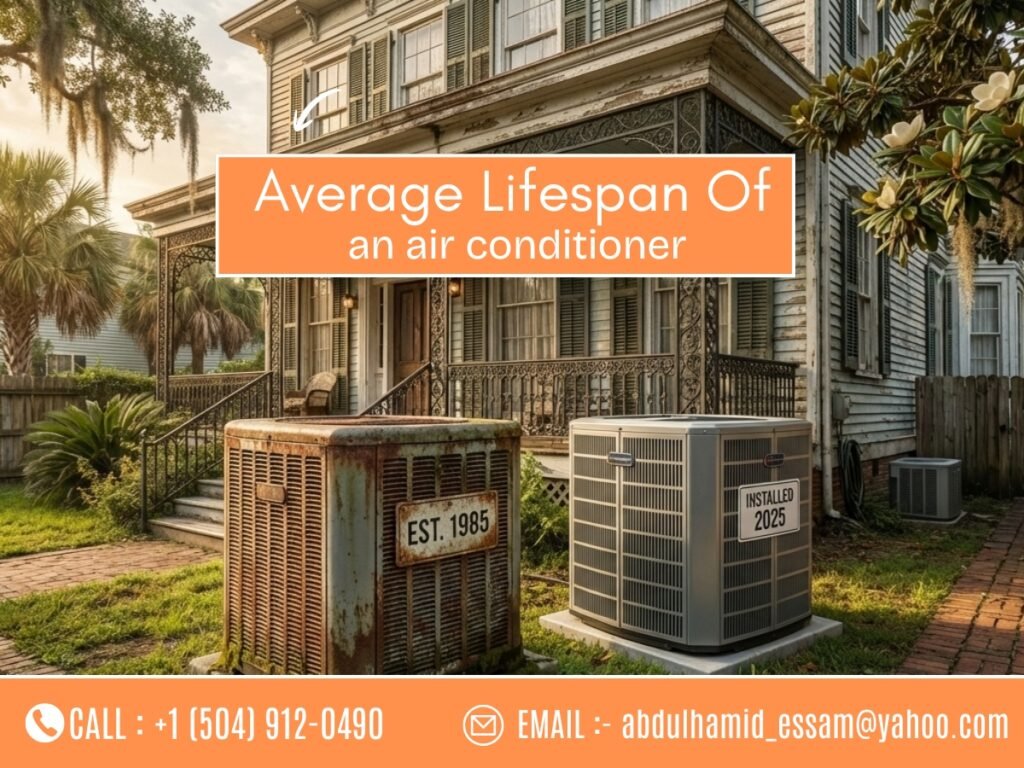
What Is the Average Lifespan of an Air Conditioner?
In general:
- National average lifespan: 12–15 years
- New Orleans average lifespan: 10–12 years
Why the difference? Because climate matters.
In Louisiana, air conditioners:
- Run more months per year
- Operate longer each day
- Remove large amounts of moisture
- Work harder under extreme heat
All of this accelerates wear and tear.
Central AC vs Other Cooling Systems: Lifespan Differences
Not all air conditioners age the same way.
Central Air Conditioning Systems
- Average lifespan: 10–15 years nationally
- In New Orleans: closer to 10–12 years
Ductless Mini-Split Systems
- Average lifespan: 15–20 years
- Often last longer due to zoning and lighter workloads
Window Units
- Average lifespan: 8–10 years
- Shorter due to exposure and lower build quality
System type plays a big role, but maintenance and climate matter more.
Why New Orleans AC Systems Wear Out Faster
1. Long Cooling Season
AC systems in New Orleans often run from March through October — sometimes longer.
More run time = more mechanical stress.
2. High Humidity
Humidity forces AC systems to:
- Run longer cycles
- Work harder to remove moisture
- Deal with condensation constantly
Moisture also contributes to:
- Corrosion
- Mold growth
- Electrical component wear
3. Extreme Heat Loads
During peak summer:
- Systems struggle to keep up
- Compressors work at maximum capacity
- Failures are more likely
4. Salt Air & Environmental Exposure
In parts of the metro area:
- Salt air accelerates corrosion
- Outdoor units degrade faster
The Most Common AC Components That Fail With Age
As air conditioners age, certain parts fail more often:
- Capacitors
- Contactors
- Fan motors
- Coils
- Compressors
While smaller parts are repairable, compressor failure often signals the end of a system’s life.
Signs Your Air Conditioner Is Nearing the End of Its Lifespan
Many systems don’t fail suddenly — they give warnings.
Common Warning Signs:
- Frequent repairs
- Rising energy bills
- Reduced cooling power
- Uneven temperatures
- Excess humidity indoors
- Loud or unusual noises
If your AC shows multiple signs and is over 10 years old, replacement should be considered.
Age Alone Isn’t the Only Factor
Some homeowners focus only on system age, but age is just part of the equation.
Two identical systems installed the same year can have very different lifespans based on:
- Maintenance history
- Installation quality
- Home insulation
- Thermostat habits
How Maintenance Affects AC Lifespan
Regular maintenance can extend AC life by several years.
Professional maintenance includes:
- Coil cleaning
- Electrical inspections
- Refrigerant checks
- Airflow testing
Systems without maintenance often fail 5–7 years earlier.
Installation Quality Matters More Than Most People Think
A poorly installed AC system:
- Short cycles
- Suffers airflow problems
- Experiences excess strain
Even a high-quality unit won’t last if installation was rushed or improperly sized.
This is why professional installation — like that provided by Zees AirConditioning Inc — is critical.
How Energy Efficiency Declines With Age
Even if an old AC still runs, efficiency drops over time.
Older systems:
- Consume more energy
- Remove less humidity
- Cost more to operate
A 12-year-old AC can cost significantly more to run than a modern system.
The R-22 Refrigerant Factor
If your system uses R-22 refrigerant:
- Repairs are more expensive
- Refrigerant is harder to find
- Leaks often push systems toward replacement
R-22 alone often shortens practical lifespan.
Repair vs Replacement: When Age Tips the Scale
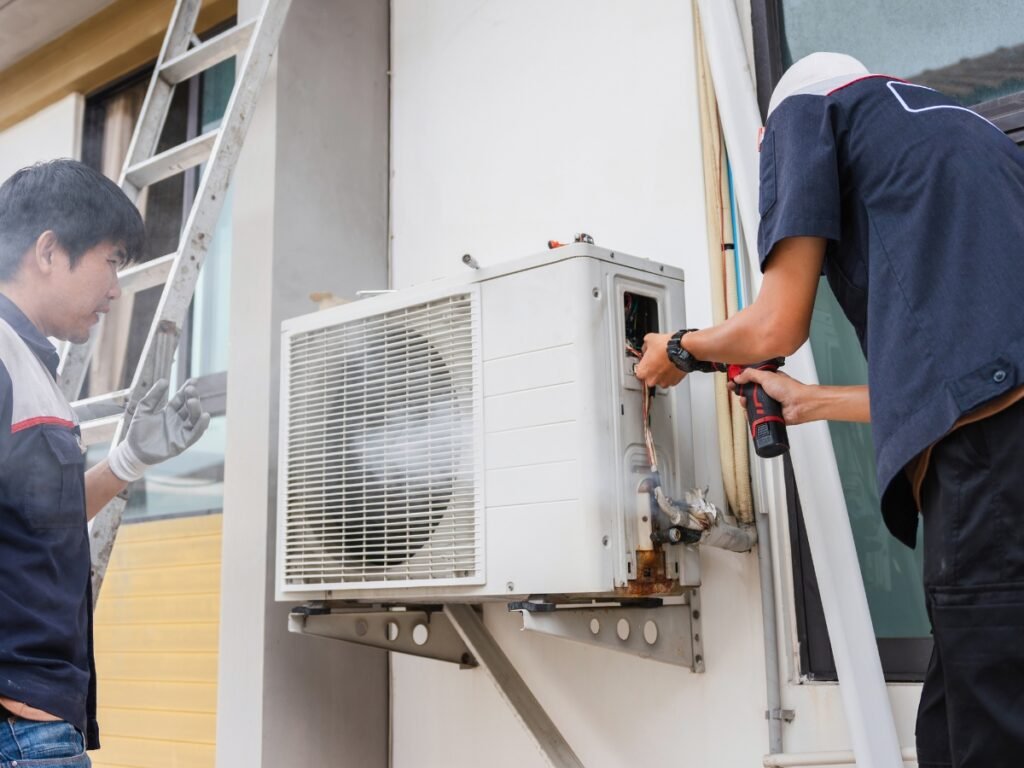
A general guideline:
- Under 8 years: Repair often makes sense
- 8–12 years: Depends on cost and condition
- 12+ years: Replacement often smarter
In New Orleans, this timeline leans toward earlier replacement due to climate stress.
Emergency Breakdowns vs Planned Replacement
Older systems are more likely to fail:
- During extreme heat
- On weekends or holidays
Emergency replacements:
- Cost more
- Limit system options
- Increase stress
Planning replacement before total failure gives homeowners control.
How a New AC System Improves Comfort
Modern systems offer:
- Better humidity control
- Quieter operation
- More even cooling
- Lower energy bills
For many homeowners, comfort improvement alone justifies replacement.
Extending the Lifespan of Your Current AC
If replacement isn’t immediate, you can still protect your system:
Practical Tips:
- Change filters regularly
- Schedule annual maintenance
- Keep outdoor unit clear
- Address small issues early
- Avoid extreme thermostat settings
These steps won’t make an old system new — but they help maximize remaining life.
How Long Should You Expect Your Next AC to Last?
With:
- Professional installation
- Regular maintenance
- Proper sizing
A new AC system in New Orleans can last 12–15 years — sometimes longer.
Why a Professional Evaluation Is Essential
Online lifespan averages don’t account for:
- Your home’s layout
- Your usage patterns
- Your system’s condition
At Zees AirConditioning Inc, we evaluate:
- Actual performance
- Repair history
- Efficiency
- Long-term cost impact
This allows homeowners to make informed decisions.
Final Thoughts
So, what is the average lifespan of an air conditioner?
National averages say one thing — but New Orleans conditions tell a different story.
Heat, humidity, and long cooling seasons shorten lifespan, making early planning essential.
If your AC is aging, inefficient, or unreliable, Zees AirConditioning Inc can help you evaluate your options honestly — so you’re never caught without cooling when you need it most.
FAQs
Typically 10–12 years due to heat and humidity.
Yes, regular maintenance can add several years.
Often yes — planned replacement avoids emergency costs.
They last longer when installed and maintained properly.
A local HVAC professional like Zees AirConditioning Inc.