In New Orleans, heating systems often don’t get the attention they deserve—until something goes wrong. Because winters are generally mild, many homeowners ignore small heater problems, assuming they can wait. Unfortunately, in a humid, moisture-heavy climate like New Orleans, minor heating issues can quickly turn into expensive repairs, safety risks, or complete system failure.
At Zees AirConditioning Inc, we frequently see heaters that could have been saved with early detection. This guide will show you how to detect heater issues early, what warning signs to watch for, and how to protect your comfort, safety, and energy bills before winter problems escalate.
Why Early Heater Detection Matters in New Orleans
Heating systems in New Orleans face unique challenges:
✔ High humidity causes corrosion
✔ Infrequent use hides developing problems
✔ Sudden cold snaps stress aging systems
✔ Older homes often have outdated ductwork
Because heaters may sit unused for long periods, issues often go unnoticed until the first cold night—when repair demand is highest and breakdowns are most inconvenient.
Early detection helps you:
• Avoid emergency repairs
• Lower energy costs
• Extend system lifespan
• Maintain indoor air quality
• Improve home safety
Common Heater Problems That Start Small
Most major heater failures begin as minor issues. Recognizing them early makes all the difference.
Typical Early-Stage Heater Issues
• Dirty or clogged filters
• Worn electrical components
• Faulty thermostats
• Blocked airflow
• Moisture buildup
• Minor gas or ignition issues
Left untreated, these problems worsen quickly—especially in New Orleans’ humid environment.
1. Watch for Uneven Heating Throughout Your Home
One of the earliest signs of heater trouble is uneven temperatures.
What This Means
• Some rooms feel warm, others stay cold
• Heater struggles to maintain set temperature
• System runs longer than usual
Possible Causes
• Duct leaks or blockages
• Failing blower motor
• Improper system sizing
Uneven heating often signals airflow or ductwork issues that should be addressed immediately.
2. Pay Attention to Rising Energy Bills
A sudden increase in winter energy costs—even during mild weather—is a red flag.
Why Bills Increase
• Heater runs longer to produce the same heat
• Components lose efficiency
• Air leaks waste heated air
📌 Early detection tip: Compare your winter bills year over year. Even small increases can indicate inefficiency.
3. Listen for Unusual Noises
Your heater should operate quietly. Strange sounds often appear early in system failure.
Common Warning Sounds
• Rattling – Loose parts or duct issues
• Banging – Delayed ignition or expanding metal
• Squealing – Worn belts or motor bearings
• Clicking – Electrical or ignition problems
Noises rarely fix themselves. Early inspection prevents costly breakdowns.
4. Notice Changes in Indoor Air Quality
Heating issues often affect air quality before comfort.
Warning Signs
• Increased dust
• Dry or irritated sinuses
• Musty odors from vents
• Worsening allergies
Poor airflow, dirty filters, or moisture in ducts can circulate pollutants throughout your home.
5. Check for Short Cycling or Constant Running
Heaters should cycle on and off in steady intervals.
Problem Patterns
• Turning on and off frequently (short cycling)
• Running nonstop without reaching temperature
Possible Causes
• Faulty thermostat
• Overheating components
• Improper system size
Both patterns increase wear and energy costs and should be addressed early.
6. Inspect the Thermostat First
Sometimes the issue isn’t the heater—it’s the control system.
Early Thermostat Issues
• Incorrect temperature readings
• Delayed system response
• Inconsistent operation
Upgrading or recalibrating a thermostat can prevent unnecessary service calls.
7. Look for Moisture, Rust, or Corrosion
Humidity is one of the biggest threats to heaters in New Orleans.
Areas to Inspect
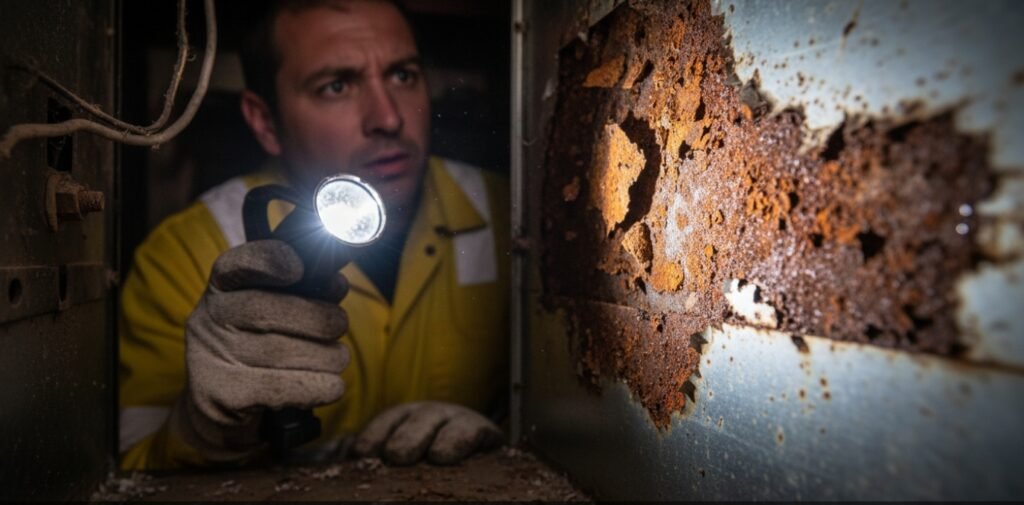
• Around the furnace cabinet
• Vent connections
• Ductwork joints
• Drain lines
Moisture leads to rust, electrical damage, and reduced system life if ignored.
8. Smell Matters: Odors Are Early Warnings
Unusual smells should never be ignored.
Common Heater Odors
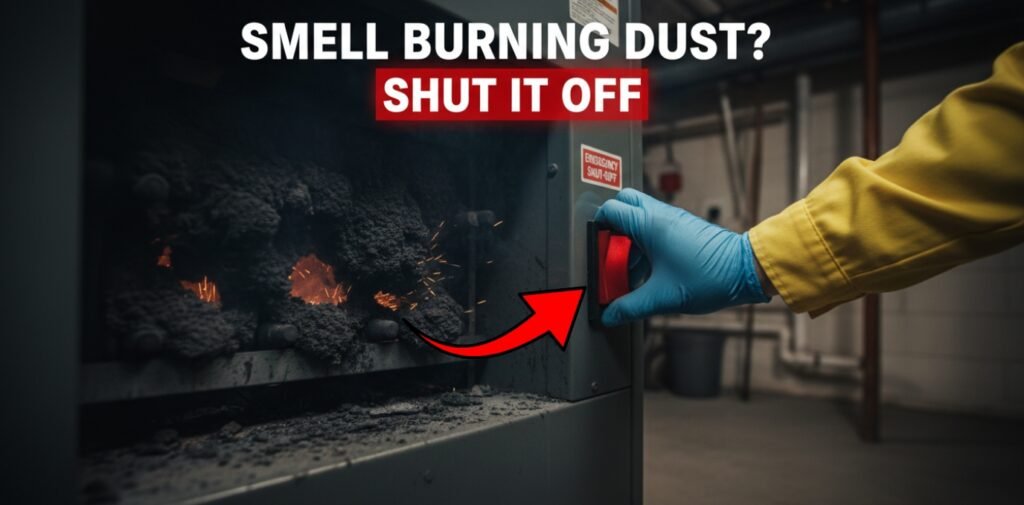
• Burning dust – Normal briefly after first use
• Musty smell – Moisture or mold
• Metallic smell – Overheating components
• Gas smell – Immediate safety concern
If you smell gas, turn off the system and call a professional immediately.
9. Test Airflow at Vents
Weak airflow often appears before full heater failure.
How to Check
• Place your hand near vents
• Compare airflow between rooms
• Listen for airflow noise changes
Weak or inconsistent airflow usually points to duct issues or blower problems.
Heater Issues vs. Their Early Warning Signs
| Heater Issue | Early Warning Sign | Why It Matters |
| Dirty filter | Weak airflow | Reduced efficiency |
| Duct leaks | Uneven heating | Energy loss |
| Failing motor | Strange noises | Risk of breakdown |
| Thermostat error | Short cycling | Higher bills |
| Moisture damage | Musty smell | Corrosion & mold |
Why Ductwork Plays a Major Role
Many heater issues aren’t caused by the heater itself.
Duct-Related Warning Signs
• Hot air loss
• Noisy airflow
• Dust buildup near vents
• Temperature differences
Leaky ducts can waste up to 30% of heated air, forcing your system to work harder.
DIY Checks Homeowners Can Safely Perform
You don’t need tools to catch early warning signs.
Simple At-Home Checks
✔ Replace filters regularly
✔ Keep vents unblocked
✔ Monitor thermostat behavior
✔ Listen for new sounds
✔ Watch energy bills
These small habits help detect issues before professional service is required.
When to Call a Professional
Some problems require immediate expert attention.
Call a Technician If You Notice:
• Gas odors
• Electrical burning smells
• Repeated system shutdowns
• Visible corrosion or leaks
• Persistent uneven heating
At Zees AirConditioning Inc, early inspections often prevent emergency repairs and costly replacements.
Why Local Expertise Matters in New Orleans
Heating systems here behave differently than in colder regions.
A local expert understands:
• High-humidity effects
• Older home designs
• Local safety codes
• Climate-specific efficiency needs
That’s why homeowners trust Zees AirConditioning Inc for early heater diagnostics and reliable solutions.
Long-Term Benefits of Early Heater Detection
Detecting issues early leads to:
✔ Lower repair costs
✔ Longer system lifespan
✔ Improved indoor air quality
✔ Safer operation
✔ Reduced energy bills
Preventive care is always more affordable than emergency fixes.
Final Thoughts
Heater problems don’t usually appear overnight—they build quietly. By recognizing early warning signs, paying attention to system behavior, and acting quickly, New Orleans homeowners can avoid breakdowns, safety risks, and expensive repairs. If something doesn’t feel right with your heater, trust your instincts and contact Zees AirConditioning Inc for a professional inspection. Early detection keeps your home comfortable, efficient, and safe.
FAQs
At least once a year, ideally before winter.
Yes, inefficiency forces systems to run longer.
Not always—but gas or burning smells require immediate attention.
Yes, moisture accelerates corrosion and wear.
A trusted local HVAC company like Zees AirConditioning Inc.