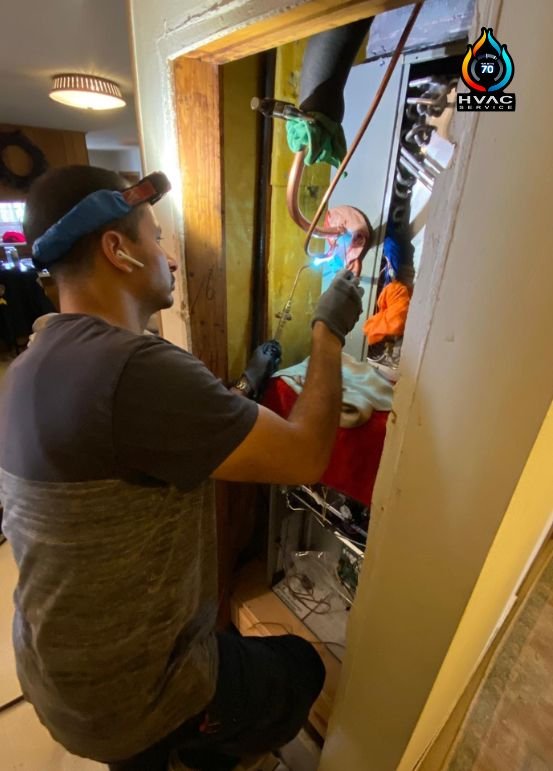
Look, I get it. Your air conditioning or heating system isn’t keeping your home as comfortable as it should be. Maybe you’re noticing hot and cold spots in different rooms, your energy bills have jumped up out of nowhere, or you can see visible damage to your ductwork. The problem isn’t always your AC unit—it’s often your ducts.
Hi, I’m Abdelhamid Zaky, owner of Zees Air Conditioning Inc., and I’ve been helping homeowners and property managers in the Gretna, New Orleans, Harvey, Belle Chasse, Marrero, Westwego, Metairie, and Kenner areas solve their ductwork problems for over 10 years. With my Louisiana Class A Contractor License (#79676), I’ve learned that damaged ductwork is one of the most overlooked causes of HVAC inefficiency—and one of the easiest problems to fix.
In this guide, I’m going to walk you through everything you need to know about duct repair services, what damaged ductwork really costs you, and why professional duct sealing and repair can save you thousands in energy bills.
What’s Really Happening Inside Your Ductwork?
Let me be honest—your ducts are like the circulatory system of your home. When they work properly, you don’t think about them. When they fail, everything falls apart.
Understanding Your Ductwork System
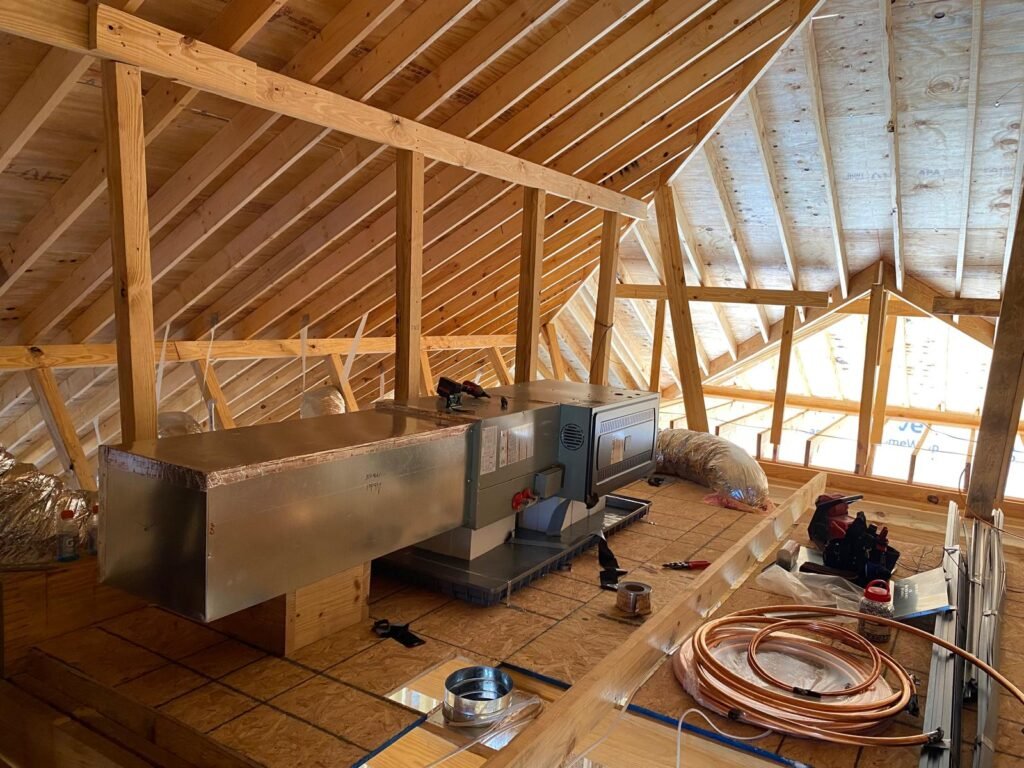
Your ductwork is a network of tubes running through your attic, walls, and crawl spaces. Its job? Deliver cool air from your AC unit (or warm air from your furnace) to every room in your home.
Here’s what most homeowners don’t realize: The U.S. Environmental Protection Agency estimates that 20% to 30% of the air flowing through ducts is lost because of holes, poor joints, and leaks. That means if your system costs $100 to run each month, you’re literally throwing $20-$30 in the trash.
In Louisiana, with our hot, humid climate and the strain we put on AC systems year-round, this problem gets worse. Your ducts work overtime just trying to combat our 80+ degree summers and that thick Gulf Coast humidity.
Why Louisiana Climate Makes Ductwork Problems Worse
Living here in New Orleans, I’ve learned that our subtropical climate is brutal on HVAC systems.
Here’s what’s unique about our situation:
- High humidity levels (we’re talking 70-80% regularly) mean your AC system has to work twice as hard just to remove moisture from the air.
- Condensation inside ducts is common, which leads to mold and mildew growth if your ducts aren’t properly sealed and insulated.
- Poor ductwork sealing compounds the problem—when ducts leak, hot, humid outside air gets pulled into your system, making your AC work even harder.
- Older homes (especially in neighborhoods like the Marigny and Bywater areas) often have ductwork installed 20+ years ago without proper insulation or sealing.
I’ve been to hundreds of homes across Gretna, Harvey, and Metairie, and I can tell you with certainty: Most of the humidity problems homeowners complain about aren’t AC problems—they’re ductwork problems.
The Hidden Cost of Neglecting Your Ducts
Let me give you real numbers. According to industry data, homeowners with damaged or leaky ductwork see these consequences:
- Energy bills jump 20-30% because your system compensates for lost air.
- Uneven temperatures across rooms—your bedroom is freezing while the living room is sweltering.
- Poor indoor air quality—dust, pollen, and contaminants get sucked into leaky ducts from walls and attics.
- Mold and mildew growth thrives in Louisiana’s humid environment when ducts aren’t sealed properly.
- Shortened system lifespan—your AC or furnace works 50% harder, leading to breakdowns years earlier than expected.
Signs Your Ductwork Is Damaged—What to Look For
Here’s the thing about ductwork problems: they’re often invisible. Your ducts run through your attic, crawl spaces, and walls—you can’t see them every day. But there are clear warning signs that something’s wrong.
Common Indicators of Damaged Ductwork
- Higher Than Normal Energy Bills
This is the #1 sign I hear from customers. You’re paying the same for cooling, but your bill jumped 20%, 30%, even 40%.
Why? Leaks in your ductwork mean conditioned air escapes into your attic or crawl space instead of reaching your rooms. Your system has to run longer and harder to compensate.
If you notice a spike in your electric bill during summer (or winter if you use heating), call for a duct inspection. Often, sealing leaks costs $200-$500, while ignoring them costs thousands more in wasted energy.
Poor Airflow or “Dead” Rooms
You know that bedroom that’s always hot? Or the spare room that never cools down? That’s a red flag for ductwork problems.
This usually means:
- The ducts serving that room are disconnected, crushed, or severely restricted.
- There’s an imbalance in your ductwork design.
- Leaks in other areas are stealing air that should go to that room.
I’ve diagnosed this issue in dozens of homes. The fix? Sometimes it’s as simple as reconnecting a loose duct joint. Other times, we need to reseal or redesign that section of ductwork.
Visible Dust Accumulation Around Vents
Look at your air return vents (where air gets pulled back into the system). Are they accumulating dust abnormally fast?
According to HVAC diagnostic data, this happens when your return ducts are leaky, pulling in dust, dirt, and debris from your attic instead of clean air from your rooms. This is especially common in older homes where ductwork deteriorates over time.
Strange Noises from Ducts
Hearing popping, banging, or booming sounds when your AC kicks on?
This typically means:
- Metal ducts expanding/contracting due to pressure imbalances (often caused by leaks).
- Loose joints or connections coming apart.
- Ducts that are kinked or dented, affecting airflow.
Visible Ductwork Damage
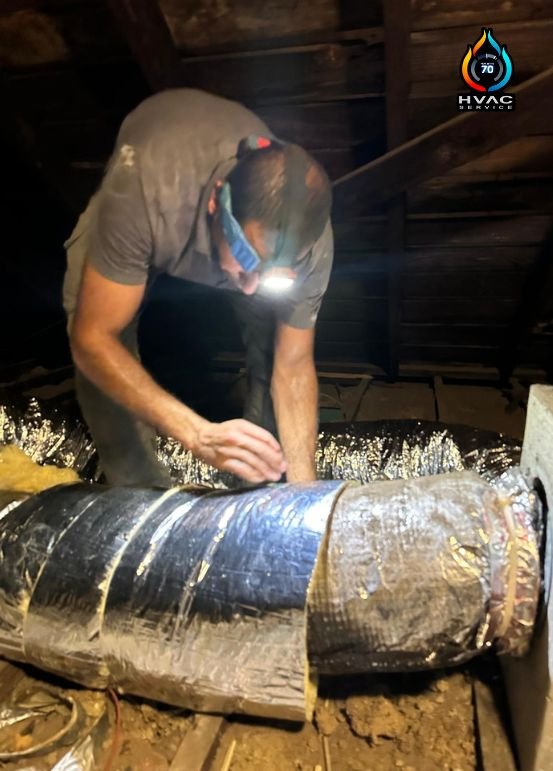
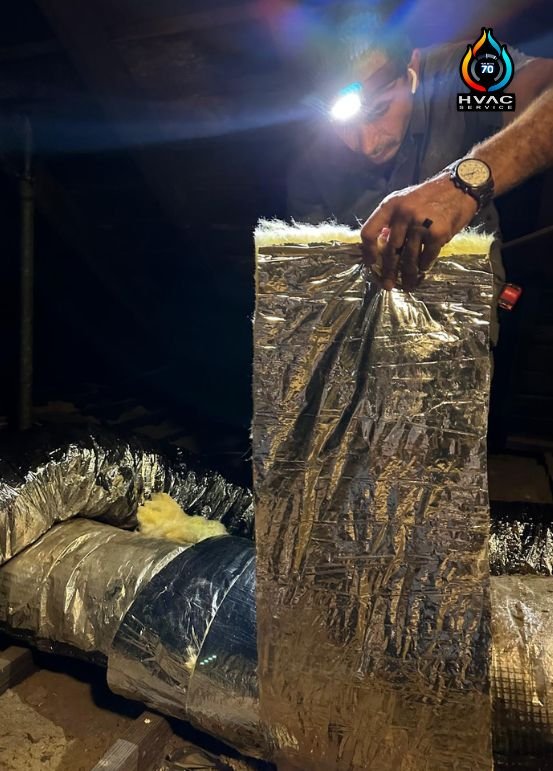
If you’ve got access to your attic, take a look at the exposed ductwork. Look for:
- Holes or tears in flexible ducts.
- Dents or crushed sections in metal ducts (this restricts airflow significantly).
- Disconnected joints where sections have separated.
- Sagging ducts that are pulling away from connections.
- Kinked or tangled sections, especially in flexible ductwork.
Ductwork is typically designed for a 15-20 year lifespan. If yours is older than that and shows visible wear, replacement is often more cost-effective than repair.
Mold or Musty Smells
This is serious. If you smell mold or mildew coming from your vents, you have condensation issues in your ducts.
Here’s why this happens in Louisiana:
- Our high humidity creates condensation inside poorly insulated ducts.
- If ducts aren’t sealed properly, outside moisture seeps in.
- Dust accumulates in that moisture, creating a perfect breeding ground for mold.
You need professional duct sealing and insulation to fix this. It’s not just a comfort issue—mold spores are a health hazard.
When to Get Your Ducts Inspected
I recommend getting a professional ductwork inspection if:
- Your energy bills have increased 20% or more.
- You notice hot and cold spots in your home.
- You see visible damage to accessible ductwork.
- Your home is over 15 years old (original ductwork is likely aging).
- You’re moving into an older home and want a baseline.
Professional Duct Repair Services—What We Do
At Zees Air Conditioning, I’ve invested in the diagnostic tools and expertise to identify and fix ductwork problems right. Here’s what professional duct repair services actually involve.
Duct Diagnostics & Leak Detection
The first step is finding the problem. You can’t repair what you can’t see.
Here’s my process:
- Visual Inspection: I inspect all accessible ductwork in your attic, crawl space, and basement. I’m looking for visible leaks, disconnections, damage, or deterioration.
- Duct Pressure Testing: Using specialized diagnostic equipment, I pressurize your duct system to identify leaks that aren’t visible to the naked eye. This shows exactly where air is escaping.
- Airflow Assessment: I measure airflow at each vent to confirm that air is distributed evenly and that no sections are blocked or disconnected.
Once I’ve diagnosed the problems, I give you a clear explanation (in plain English, not industry jargon) and a straightforward price quote.
Sealing Ductwork Leaks
Here’s what I can tell you: Sealing your ducts is one of the highest-ROI improvements you can make to your HVAC system.
Why Duct Sealing Works:
- Studies show that properly sealed ducts can improve system efficiency by 20-30% and save between 20-40% on energy bills.
Here’s what that means in real money: If your annual cooling bill is $2,000, sealing your ducts could save you $400-$800 per year. Most duct sealing projects pay for themselves in 1-2 years.
Reconnecting Disconnected Ducts
Sometimes the problem is simple: a duct joint has separated or come loose.
Why does this happen?
- Age and vibration cause connections to loosen over time.
- Poor original installation with inadequate support.
- Movement from thermal expansion/contraction in hot attics.
The fix is straightforward: I reconnect the sections, reinforce the joints with metal bands or fasteners, and seal the connections with mastic to prevent air leakage.
Repairing or Replacing Damaged Ductwork
Not all damage can be sealed. Sometimes ducts need to be repaired or replaced.
Common Damage That Requires Repair/Replacement:
- Crushed or collapsed ducts that restrict airflow.
- Large holes or tears in flexible ductwork.
- Severe dents in metal ducts.
- Ductwork over 15-20 years old showing multiple signs of deterioration.
Why Choose Professional Duct Repair Over DIY
I see a lot of DIY attempts at ductwork repair. Sometimes they work. Often, they don’t.
The Professional Advantage
- I Have Diagnostic Equipment You Don’t: Duct pressure testing tools to find invisible leaks, thermal imaging to see temperature loss through ductwork, and specialized sealing equipment.
- I Know Louisiana’s Climate: With 10 years of experience in Gretna, New Orleans, Harvey, Metairie, Belle Chasse, Marrero, Westwego, and Kenner, I understand our specific challenges.
When DIY Might Work (and When It Won’t)
DIY Can Work For:
- Simple tape jobs on visible, easily accessible ducts (temporary solution only).
- Basic cleaning or filter changes.
DIY Doesn’t Work For:
- Finding hidden leaks.
- Proper system balancing.
- Replacing ductwork.
- Compliance with local codes and permits.
Contact Zees Air Conditioning today for a ductwork inspection, and let’s make sure your home is energy-efficient, comfortable, and safe.