Few things frustrate New Orleans homeowners more than installing a brand-new air conditioning system, only to discover the upstairs still feels hot, stuffy, or uncomfortable.
Downstairs may be perfectly cool, yet the second floor feels:
- Warmer by 5–10 degrees
- More humid
- Difficult to cool during the afternoon
- Uncomfortable at night
At Zees AirConditioning Inc, this is one of the most common comfort complaints we hear across the New Orleans metro area — and surprisingly, the AC unit itself is rarely the real problem.
This guide explains why upstairs rooms stay hot even with new AC systems, how New Orleans’ climate and home designs amplify the issue, and what real solutions actually work.
Why This Problem Is So Common in New Orleans Homes

Before diving into causes, it helps to understand why this issue is especially common in South Louisiana.
🌡️ Heat Rises — And New Orleans Traps It
Warm air naturally rises. In New Orleans homes, that heat often becomes trapped due to:
- High humidity
- Older construction styles
- Poor attic ventilation
💧 Humidity Makes Heat Feel Worse
Humidity reduces your body’s ability to cool itself. Even a small temperature difference upstairs feels much worse when moisture levels are high.
🏠 Local Home Designs Matter
Many New Orleans homes feature:
- Tall ceilings
- Shotgun or raised designs
- Converted attics
- Older duct layouts
These factors create unique airflow challenges.
1. Inadequate Airflow to Upstairs Rooms
The most common reason upstairs rooms stay hot is simple: not enough conditioned air reaches them.
Causes include:
- Long duct runs
- Undersized supply ducts
- Poor duct design
- Closed or blocked vents
Even a new AC system can’t cool a space it can’t properly supply.
At Zees AirConditioning Inc, airflow testing often reveals major imbalances between floors.
2. Ductwork Problems Hidden Inside Walls and Attics
Ductwork is often overlooked during AC replacement.
Common duct issues in New Orleans homes:
- Leaky duct joints
- Crushed or sagging ducts
- Poor insulation around ducts
- Improper duct sizing
Leaking ducts lose cool air into hot attics before it ever reaches upstairs rooms.
3. Attic Heat Load Overwhelms Upstairs Cooling
In summer, New Orleans attic temperatures can exceed 130°F.
Without proper insulation and ventilation:
- Heat radiates downward
- Upstairs ceilings absorb warmth
- AC systems struggle continuously
Even high-efficiency units can’t overcome severe attic heat gain.
4. Insufficient or Aging Attic Insulation
Many older homes have:
- Thin insulation
- Settled or damaged materials
- Gaps around attic penetrations
Poor insulation allows heat to pour into upstairs spaces all day long.
Upgrading attic insulation is often one of the highest ROI comfort improvements.
5. Poor Attic Ventilation Traps Heat
Ventilation works hand-in-hand with insulation.
Without adequate ventilation:
- Hot air remains trapped
- Moisture builds up
- Cooling efficiency drops
This is a major contributor to uneven cooling upstairs in humid climates like New Orleans.
6. Single-Thermostat Systems Can’t Balance Multi-Story Homes
Most two-story homes rely on one thermostat, usually located downstairs.
This causes:
- Downstairs overcooling
- Upstairs undercooling
- Inefficient operation
The system shuts off when downstairs reaches the set temperature — even though upstairs is still hot.
7. Lack of HVAC Zoning
AC zoning systems allow different floors or areas to be controlled independently.
Without zoning:
- One floor always suffers
- Comfort is compromised
- Energy efficiency drops
Zoning is one of the most effective solutions for hot upstairs rooms in New Orleans homes.
8. Incorrect HVAC System Sizing
Bigger isn’t always better.
Improper system sizing can cause:
- Short cycling
- Poor humidity control
- Inadequate airflow upstairs
Proper sizing must account for:
- Square footage
- Ceiling height
- Insulation levels
- Duct design
9. Solar Heat Gain Through Upstairs Windows
Upstairs rooms often have:
- Direct afternoon sun exposure
- Older windows
- Minimal shading
This solar heat gain dramatically increases cooling demand upstairs.
10. Air Leaks Allow Hot Air to Enter Upstairs Spaces
Gaps around:
- Attic hatches
- Recessed lighting
- Wall penetrations
Allow hot, humid air to seep inside, overwhelming cooling efforts.
Why New AC Units Alone Don’t Solve Upstairs Heat Problems
AC units cool air — they don’t fix:
- Poor airflow design
- Insulation gaps
- Duct leakage
- Heat intrusion
That’s why many homeowners are disappointed after replacement.
At Zees AirConditioning Inc, we take a whole-home comfort approach.
Real Solutions That Actually Work in New Orleans Homes
✔ Airflow Balancing
Adjusting dampers and registers to redirect air upstairs.
✔ Duct Sealing & Repair
Preventing air loss before it reaches living spaces.
✔ Attic Insulation Upgrades
Reducing heat transfer dramatically.
✔ HVAC Zoning Systems
Giving each floor independent temperature control.
✔ Smart Thermostats
Improving run time and temperature management.
Why Professional Evaluation Matters
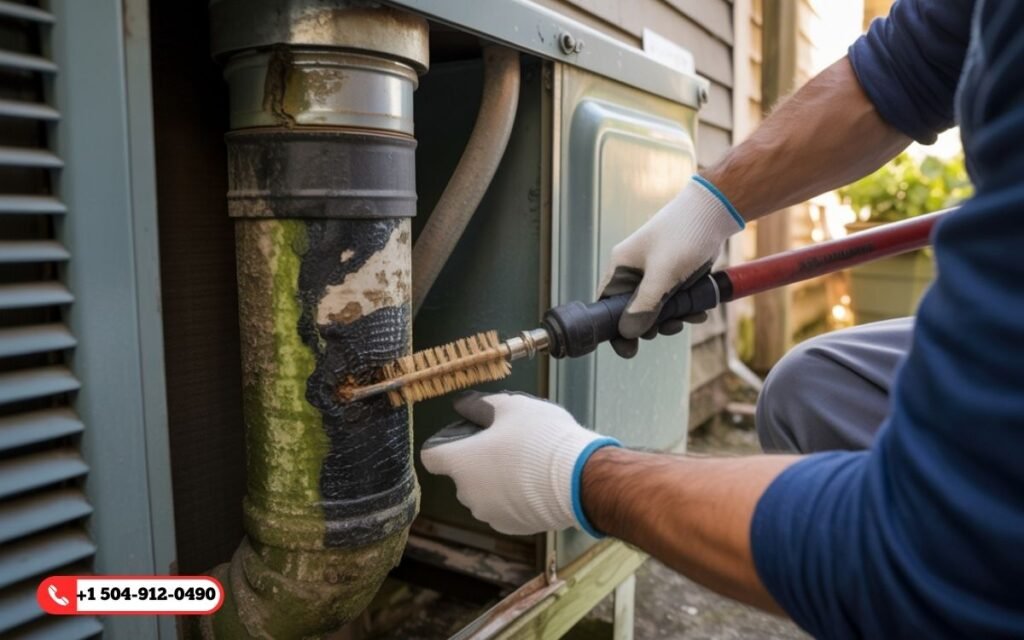
Guessing leads to wasted money.
Zees AirConditioning Inc uses:
- Airflow diagnostics
- Thermal readings
- Load calculations
- Local climate data
This ensures the solution matches the real problem.
Final Thoughts
If your upstairs remains hot despite a new AC unit, the problem isn’t your investment — it’s how your home manages airflow, heat, and humidity.
With the right evaluation and targeted solutions, comfortable upstairs living is absolutely achievable — even in New Orleans heat.
For lasting comfort, trust Zees AirConditioning Inc to diagnose and solve the real issue.
FAQs
Yes, but large temperature differences indicate airflow or insulation problems.
Yes. Zoning is one of the most effective long-term solutions.
Absolutely. Proper insulation dramatically reduces heat gain.
No. Oversizing often makes the problem worse.
A local expert like Zees AirConditioning Inc who understands climate-specific HVAC challenges.