
When designing or replacing a home heating and cooling system, the central equipment—such as the air conditioner, furnace, or heat pump—frequently claims the spotlight. However, the performance of that high-efficiency unit is completely dependent on the conduits hidden within your walls, attic, or crawl space. Your home’s ductwork acts as the respiratory pathways for your living space, and the specific material selected to build these paths has a profound impact on your system’s efficiency, air quality, and overall project budget.
Homeowners planning an installation often ask a fundamental question: Does ductwork material affect the total installation cost?
The short answer is yes. In fact, the material composition you choose is often the single most influential variable determining your final invoice. The materials dictate not only the raw cost of the goods per linear foot but also the number of specialized labor hours, fabrication complexities, and logistical requirements necessary to complete the project successfully.
To help you make an informed decision for your upcoming home upgrade, Zees AirConditioning Inc. has compiled this comprehensive, in-depth guide comparing every major residential ventilation material, its pricing structure, and how it shapes total mechanical installation costs.
1. The Core Variables Driving Material Cost Calculations
Before comparing specific materials, it is helpful to look at how a certified HVAC estimator analyzes a layout to build an accurate installation pricing model. A professional quote balances three core material-based components:

- The Baseline Component Cost: The wholesale cost of buying the raw conduits, distribution boxes, and specialized connectors.
- The On-Site Fabrication Metric: The time and specialized equipment required to cut, shape, and fit materials to fit your home’s unique framing.
- Insulation Requirements: The separate insulation materials, wraps, and vapor barriers required to meet local energy codes based on whether the ducts are running through conditioned or unconditioned zones.
Every architectural layout presents distinct design requirements. For custom system overhauls that prioritize durability and unrestricted airflow, you can rely on the expert technicians at Zees AirConditioning Inc. to optimize your home’s structure. We specialize in precision engineering and high-efficiency duct work in New Orleans, LA to ensure perfect distribution pathways throughout your entire property.
2. Rigid Sheet Metal: The Gold Standard of Ventilation
Constructed from galvanized steel or premium aluminum, rigid sheet metal is the industry benchmark for long-term durability, smooth air movement, and optimal air quality. However, it represents the highest overall financial investment.
Upfront Material Cost: High
Galvanized steel is a premium raw material. The sheet metal pipes, custom rectangular trunks, and heavy-duty fittings carry a significantly higher baseline price per linear foot compared to flexible alternative options.
Labor Hours and Structural Fabrication: Extremely Intensive
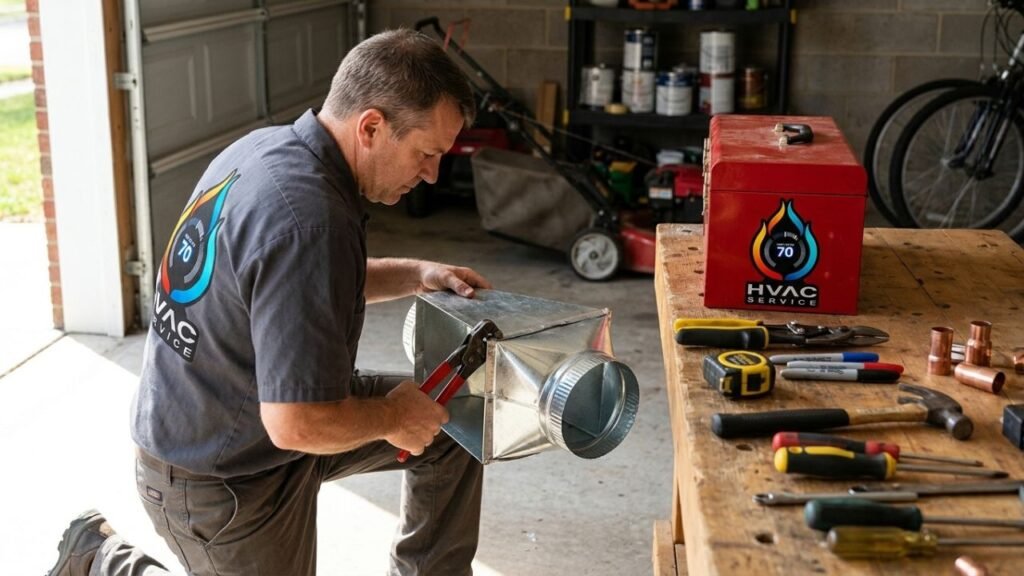
Sheet metal arrives at the job site as pre-formed sections or flat sheets that require custom, manual modification. Technicians must manually cut, form, and join every section using drive cleats, S-slips, and sheet metal screws. Furthermore, because raw metal easily transfers temperatures, technicians must manually wrap the entire exterior network in specialized fiberglass insulation blanket wrap, sealing every single seam with premium foil-faced tape or liquid mastic.
Lifespan and Operational ROI
- Lifespan: 30 to 50+ Years.
- Pros: Smooth interior walls offer the lowest static resistance, maximizing air velocity. It is highly resistant to biological growth, easy to clean professionally, and virtually impossible to crush or puncture.
- Cons: Premium upfront pricing and long, labor-intensive installation windows.
3. Flexible Non-Metallic Ductwork (Flex Duct): The Budget-Friendly Alternative
Flexible ductwork consists of a spring-steel wire helix wrapped in a heavy-duty polyester inner liner, surrounded by a thick blanket of built-in fiberglass insulation, and encased in a reflective metalized mylar vapor barrier jacket.
Upfront Material Cost: Low to Moderate
Flex duct is highly cost-effective to manufacture. Because the thermal insulation and outer vapor barrier are built directly into the product at the factory, contractors do not need to purchase separate insulation blankets, which drops the material line-item costs significantly.
Labor Hours and Structural Fabrication: Highly Efficient
Because flex duct is inherently pliable, it can snake around structural joists, plumbing pipes, and tight attic framing without requiring custom-fabricated metal elbows. Technicians simply pull the line tight, slide it over a starting collar, and fasten it securely with heavy-duty tension straps and mastic sealant. This simplified process drastically reduces the total billable labor hours needed for installation.
Lifespan and Operational ROI
- Lifespan: 10 to 15 Years.
- Pros: Highly affordable upfront cost, rapid installation timelines, and built-in noise dampening characteristics.
- Cons: The ribbed interior wall creates high friction loss, meaning air moves less efficiently. It is highly vulnerable to kinking, sagging, crushing, or being chewed through by pests.
4. Fiberglass Duct Board: The Mid-Range Hybrid Option
Duct board is manufactured from high-density, resin-bonded fiberglass sheets. The interior face is specially treated to keep glass fibers sealed out of the airstream, while the exterior face features a protective, reinforced aluminum foil vapor barrier.
Upfront Material Cost: Moderate
Duct board sits comfortably between flex duct and rigid sheet metal on the material cost spectrum. It provides both the structural shape of a rigid trunk and built-in thermal insulation in a single package.
Labor Hours and Structural Fabrication: Moderate
Technicians fabricate duct board trunks on-site using specialized grooving tools to slice through the board, allowing it to fold neatly into rectangular shapes. The joints are then stapled and sealed using heat-activated foil tape. Because it does not require an extra, separate step for wrapping insulation, it installs faster than standard sheet metal but takes longer to assemble than basic flexible ducting.
Lifespan and Operational ROI
- Lifespan: 20 to 30 Years.
- Pros: Built-in acoustic insulation makes for quiet operation, decent mid-tier pricing, and good thermal resistance.
- Cons: The rough fiberglass interior surface creates more airflow friction than smooth metal. Over time, the porous inner surfaces can trap moisture and dust if the filtration system is neglected, increasing maintenance needs.
Comprehensive Material Comparison Table
The table below breaks down the structural, financial, and operational variables across all three primary residential ventilation choices:
| Structural Material Type | Raw Material Base Cost | Labor Intensity & Fabrication Hours | Average Installed Lifespan | Impact on Airflow Efficiency (Static Pressure) |
| Rigid Sheet Metal | Premium High Pricing | Extremely Intensive Manual Labor | 30 to 50+ Years | Excellent (Lowest internal friction, highest velocity) |
| Fiberglass Duct Board | Mid-Tier Pricing | Moderate Assembly Time | 20 to 30 Years | Moderate (Textured interior creates minor drag) |
| Flexible Flex Duct | Budget-Friendly | Low to Moderate (Fast Hanging) | 10 to 15 Years | Poor to Fair (High friction drag if poorly supported) |
5. The Hybrid Layout Strategy: Balancing Performance and Budget

To deliver optimal airflow without sending project budgets out of reach, most reputable HVAC contractors use a strategic hybrid design framework. This approach deploys materials where their structural strengths matter most.
- The Main Trunk Lines (Rigid Sheet Metal): The central spine coming out of your heating and cooling equipment handles the highest volume and velocity of air. Contractors use rigid sheet metal for these trunks to maintain optimal structural pressure and system efficiency.
- The Branch Runs (Flexible Ductwork): The individual branch lines that branch off the main trunk to deliver air to specific room vents can be run using high-quality flexible ductwork. As long as these flex lines are pulled tight, properly supported every four feet, and kept straight, they offer an excellent, cost-effective solution for final room distribution.
By combining these two materials, homeowners get the high-efficiency performance of a metal distribution system alongside the labor savings of flexible lines.
6. Hidden Cost Adjustments: Structural Accessibility Factors
While the raw material choices set your baseline price, the physical layout of your home acts as a major cost modifier. Estimators adjust labor hours based on how difficult it is to physically access and work within the installation zones:
- Open New Construction Framing: If the home is in the framing stage with open wall cavities and no drywall, installing any material type is rapid and efficient, lowering total labor billing.
- Low-Profile Attics and Crawlspaces: For tight crawlspaces under historical homes or low attic roofs, technicians must work in cramped conditions. This physical resistance slows down the installation process, which increases the total labor hours required—especially for rigid materials that require careful manual assembly.
- Retrofitting Finished Drywall: Snaking new ventilation through existing, finished ceilings and walls without causing extensive damage requires precise fishing techniques and custom transitions, which increases the structural labor factor.
Summary of the Structural Material Selection Process
Choosing the right material combination follows a methodical, step-by-step design process:
- Engineering Load Analysis: The contractor calculates the home’s total thermal heating and cooling load to determine the necessary CFM airflow volume.
- Material Feasibility Review: The architecture is evaluated to see if rigid sheet metal trunk lines can fit within the ceiling joists or if flexible routes are required to clear plumbing and electrical lines.
- Zoning and Code Compliance Mapping: Local energy and fire safety insulation codes are factored in to determine the necessary R-value insulation wraps.
- Final Itemized Estimate formulation: The contractor blends material quantities, calculated labor hours, and connection components into a clear, comprehensive project estimate.

Partner with the Ventilation Design Specialists
Investing in the right ventilation material is a long-term decision that affects your daily indoor comfort, energy costs, and monthly utility bills for decades. Don’t leave your layout configurations to guesswork.
If you are located in the Greater New Orleans region and want a transparent, expert assessment of your home’s ventilation infrastructure, contact Zees AirConditioning Inc. today at +1 504-912-0490. Our certified installation professionals will design an efficient, durable material configuration tailored precisely to your property’s footprint and your family’s budget.
FAQs
Not if it is engineered correctly. A hybrid layout using a rigid sheet metal main trunk paired with short, straight flexible branch runs is an industry-standard practice. The rigid trunk maintains proper system static pressure, while the flex branches allow for efficient final distribution to room registers. Problems only occur if flex branches are excessively long, kinked, or unsupported.
Unlike flexible options that arrive pre-insulated and ready to hang, rigid sheet metal must be manually cut, fitted, fastened, and locked together by hand on-site. Once the metal structure is hung, technicians must complete a separate, meticulous installation process to wrap and seal the entire exterior in fiberglass insulation blankets to prevent thermal loss.
No. Building codes strictly forbid using uninsulated ductwork in unconditioned spaces like attics, garages, or crawlspaces. Uninsulated metal running through a hot attic will sweat profusely from condensation, causing structural water damage, ceiling stains, and mold growth, while causing massive energy losses that drive up utility bills.
Rigid sheet metal is the absolute best choice for indoor air quality. Its perfectly smooth interior surfaces do not trap dust, pollen, or pet dander, and it is highly resistant to moisture accumulation. Additionally, rigid metal can withstand aggressive, professional mechanical duct cleanings over its 50-year lifespan without tearing or deteriorating.
If your flexible ductwork is over 15 years old, sagging heavily between hangers, showing signs of brittle or peeling plastic outer vapor barriers, or has suffered puncture damage from pests or home maintenance, a full replacement is recommended. Old, degraded flex lines lose their insulating properties and develop hidden tears that leak costly conditioned air.
Yes. Fiberglass duct board features excellent natural acoustic dampening properties. The dense fiberglass composition absorbs the low-frequency vibrations and rushing air sounds generated by your HVAC system’s blower motor, making it a highly popular material choice for properties where quiet operation is a top priority.

