Yes — an annual HVAC inspection is one of the most effective ways to prevent unexpected air conditioning repairs. In Gretna, Covington, and throughout the Greater New Orleans area, where extreme heat, high humidity, and frequent storms place heavy demand on cooling systems, regular professional inspections catch small problems before they turn into costly breakdowns.
At Zees AirConditioning Inc, we see the difference every season. Homes that receive consistent annual inspections experience fewer emergency repairs, lower energy bills, and longer system life. This comprehensive guide explains exactly how annual HVAC inspections prevent unexpected AC repairs, what a thorough inspection includes, the most common issues found, and why this simple step delivers major long-term savings in Louisiana’s demanding climate.
Why Unexpected AC Repairs Happen

Most major air conditioning failures do not occur suddenly without warning. They develop gradually over months or years through the accumulation of dirt, wear, loose connections, minor refrigerant loss, and declining efficiency. Without regular inspection, these small issues remain hidden until the system is under maximum stress — usually during the hottest days of summer — and then fail completely.
In Gretna’s climate, systems often run for long hours under high load. This accelerates normal wear and makes early detection especially valuable.
How an Annual HVAC Inspection Prevents Major Repairs (Expanded & Highly Detailed)
An annual HVAC inspection is one of the most effective preventive measures a homeowner in Gretna, Covington, or the Greater New Orleans area can take. Extreme heat, high humidity, and long cooling seasons place continuous stress on air conditioning systems. Small problems that develop quietly during the year often remain hidden until the system is under maximum load — and then they turn into expensive, unexpected failures. A thorough professional inspection identifies and corrects these issues early. Below is a detailed explanation of how each major area of an annual inspection helps prevent major repairs.
1. Early Detection of Wear and Tear Critical components such as the compressor, capacitors, contactors, fan motors, and coils gradually wear under the demands of Louisiana summers. During an annual inspection, technicians carefully examine these parts for early warning signs: a capacitor that is beginning to weaken, a contactor with pitted contacts, a fan motor bearing that is starting to dry out, or coils that show the first signs of corrosion.
Catching these issues in spring allows planned, lower-cost replacement or servicing instead of an emergency breakdown during a heatwave. Replacing a weakening capacitor under normal conditions is far less expensive and far less stressful than dealing with a complete system failure on the hottest day of the year. Early detection is one of the primary ways annual inspections convert potential major repairs into manageable maintenance.
2. Cleaning and Performance Restoration Dirt, pollen, dust, and biological growth accumulate on evaporator and condenser coils throughout the year. Even a thin layer of buildup acts as insulation, reducing the system’s ability to transfer heat. As a result, internal pressures and temperatures rise, the compressor works harder, energy consumption increases, and the risk of component failure grows.
A professional annual inspection includes thorough cleaning of accessible coils and related components. Restoring clean heat-transfer surfaces lowers system operating pressures, reduces strain on the compressor, improves efficiency, and helps the unit maintain proper temperatures with less effort. In Gretna’s humid climate, where biological growth is common, this cleaning step is especially important for preventing efficiency loss and premature wear.
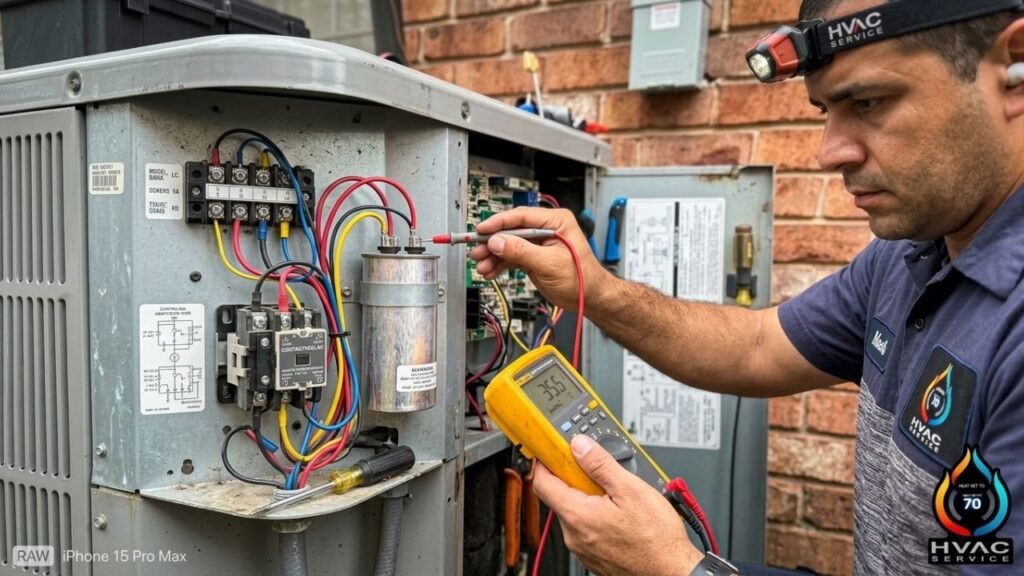
3. Electrical Connection and Safety Checks Vibration, heat cycling, and humidity cause electrical connections to loosen and corrode over time. Loose or high-resistance connections generate heat, create voltage drops, and lead to intermittent operation or complete failure to start. These problems often appear suddenly during periods of high demand.
During an annual inspection, technicians inspect, clean, and tighten electrical connections at the contactor, capacitor terminals, disconnect switch, control board, and other key points. They also verify that safety controls are functioning correctly. Addressing these issues proactively prevents many of the “system won’t start” or random shutdown problems that otherwise result in emergency service calls.
4. Refrigerant Level Verification Refrigerant leaks rarely happen all at once. Small leaks can develop slowly at joints, valves, or coils and go unnoticed for months while the system gradually loses charge. Running an air conditioner with low refrigerant forces the compressor to work harder, raises operating temperatures, and can lead to permanent compressor damage.
An annual inspection includes precise measurement of system pressures and temperatures. When low refrigerant is detected early, the leak can be located and repaired and the system properly recharged before serious damage occurs. This single step frequently prevents one of the most expensive repairs an air conditioner can require.
5. Drain Line and Condensate System Maintenance Air conditioners remove large amounts of moisture in Gretna’s humid climate. The condensate drain line can easily become restricted by algae, mold, sludge, or debris. When the line clogs, water backs up, the safety float switch shuts the system down, and homeowners are left without cooling — often at the worst possible time.
During an annual inspection, technicians clear the drain line, flush it thoroughly, and apply treatments that help inhibit future biological growth. They also test the float switch and inspect the drain pan. These simple steps eliminate one of the most common causes of unexpected mid-season shutdowns and protect the home from water damage.
6. Airflow and Duct Evaluation Proper airflow is essential for efficient and reliable operation. Dirty filters, blocked return vents, restricted supply registers, or duct problems force the system to work against resistance. Restricted airflow can cause the evaporator coil to freeze, reduce cooling capacity, increase energy use, and place extra strain on the blower motor and compressor.
An annual inspection evaluates overall airflow, checks filter condition, and looks for obvious duct-related issues. Identifying and correcting airflow restrictions reduces mechanical stress across the entire system, improves comfort, and helps prevent a range of performance-related failures.
7. Thermostat and Control System Testing The thermostat and control system direct every operating cycle of the air conditioner. An inaccurate, poorly calibrated, or failing thermostat can cause short-cycling, continuous running, or failure to respond to temperature changes. These conditions increase wear on major components and reduce both comfort and efficiency.
During an inspection, technicians verify that the thermostat is communicating correctly with the system, test safety controls, and confirm proper sequencing of operation. Correcting control issues early prevents improper cycling patterns that would otherwise lead to premature component failure and unexpected repairs.
Together, these seven areas of focus allow an annual HVAC inspection to identify developing problems while they are still small and correctable. In the demanding climate of Gretna and the Greater New Orleans region, this proactive approach is one of the most reliable ways to avoid emergency breakdowns, reduce long-term repair costs, and keep an air conditioning system running efficiently for years longer than it otherwise would.
What a Thorough Annual HVAC Inspection Includes
A quality inspection by Zees AirConditioning Inc typically covers:
- Complete visual and operational inspection of indoor and outdoor units
- Cleaning of accessible coils and components
- Electrical testing of capacitors, contactors, and connections
- Refrigerant pressure and temperature measurements
- Condensate drain inspection and cleaning
- Airflow evaluation and filter condition check
- Thermostat calibration and performance testing
- Safety control verification
- Overall system performance assessment and recommendations
This process usually takes 60–90 minutes and provides a clear picture of system health.
The Real Cost of Skipping Annual Inspections
Homeowners who skip annual inspections often face:
- Higher likelihood of mid-summer breakdowns
- More expensive emergency repair rates
- Greater chance of compressor failure
- Increased energy consumption from declining efficiency
- Shorter overall system lifespan
In contrast, the cost of an annual inspection is typically far lower than a single major repair and delivers peace of mind throughout the cooling season.
Best Timing for Annual HVAC Inspections in Gretna
The ideal time for a cooling-focused inspection is in spring, before the heavy demand of summer begins. This allows any needed repairs or adjustments to be completed under normal scheduling instead of emergency conditions. A fall inspection is also valuable for combined heating and cooling systems.
Additional Benefits Beyond Preventing Repairs
Annual inspections also:
- Improve energy efficiency and lower monthly bills
- Maintain manufacturer warranty requirements (many require documented maintenance)
- Enhance indoor air quality and humidity control
- Extend the useful life of the equipment
- Provide documentation of system condition for real estate or insurance purposes
How Zees AirConditioning Inc Helps Homeowners Stay Ahead of Problems

At Zees AirConditioning Inc, we specialize in thorough, honest annual HVAC inspections tailored to the unique demands of Gretna and the Greater New Orleans climate. Our technicians identify developing issues early, perform necessary cleaning and adjustments, and provide clear recommendations so you can make informed decisions.
We also offer maintenance plans that include priority scheduling, discounts on repairs, and regular inspections designed to minimize unexpected problems.
Final Thoughts: Prevention Is the Smartest Strategy
An annual HVAC inspection is one of the simplest and most cost-effective steps you can take to prevent unexpected air conditioning repairs. In a climate as demanding as Gretna’s, waiting until the system fails is almost always more expensive and more stressful than staying ahead of problems with regular professional care.
Don’t wait for the next heatwave to discover a preventable issue. Call Zees AirConditioning Inc today at (504) 912-0490 to schedule your annual HVAC inspection. We’ll help keep your system reliable, efficient, and ready for whatever the Louisiana summer brings.
FAQs
Yes. Annual inspections identify developing issues such as weakening capacitors, dirty coils, low refrigerant, loose electrical connections, and clogged drains before they cause complete system failure.
A complete inspection typically covers coil cleaning, electrical testing, refrigerant pressure checks, drain line maintenance, airflow evaluation, thermostat testing, and overall system performance assessment.
Spring is ideal. Completing the inspection before the heavy cooling season begins allows any needed repairs to be handled under normal scheduling instead of during a heatwave emergency.
The cost of an inspection is usually far lower than a single major repair. Preventing just one compressor failure or emergency service call often more than covers several years of inspections.
Yes. Many manufacturers require documented professional maintenance to keep the warranty valid. Annual inspections provide the records needed for warranty protection.


