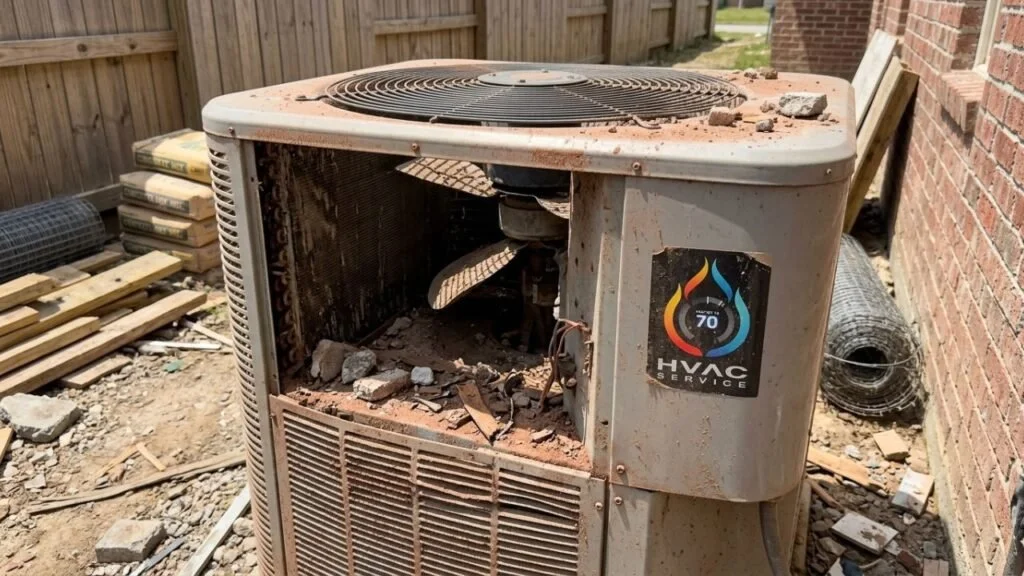
Yes — nearby construction can seriously damage your air conditioner. In Gretna, Covington, and throughout the Greater New Orleans area, roadwork, home renovations, new building projects, and utility excavations are common. While construction is often necessary, the dust, debris, vibration, and accidental impacts that come with it can quietly harm outdoor AC units and lead to reduced efficiency, higher energy bills, and unexpected repairs.
At Zees AirConditioning Inc, we regularly service systems that have been affected by nearby construction activity. This comprehensive, long-form guide explains exactly how construction damages air conditioners, the most common risks, the warning signs to watch for, and the practical steps homeowners can take to protect their equipment.
Why Construction Poses a Real Threat to Air Conditioners

The outdoor condenser unit is the most exposed part of your air conditioning system. It sits outside, usually near the side or rear of the home, where it is vulnerable to airborne dust, flying debris, heavy equipment vibration, and accidental contact from workers or machinery. In Louisiana’s humid climate, construction-related damage is often made worse by moisture that helps dirt stick to coils and electrical components.
Even projects that seem distant — such as street paving, sidewalk work, or a neighbor’s major renovation — can send fine dust and vibration toward your system for days or weeks.
How Nearby Construction Damages Air Conditioners
1. Dust and Debris Clogging the Condenser Coils Construction generates large amounts of fine dust from concrete cutting, drywall sanding, wood cutting, and soil disturbance. This dust is drawn into the outdoor unit by the fan and quickly coats the condenser coils.
Dirty coils reduce the system’s ability to release heat. As a result, internal pressures and temperatures rise, the compressor works harder, energy consumption increases, and the risk of overheating and component failure grows. In severe cases, thick dust buildup can cause the system to shut down on high-pressure safety controls.
2. Physical Impact and Bent Coil Fins Workers, equipment, ladders, scaffolding, or falling materials can strike the outdoor unit. Even a minor impact can bend the delicate aluminum fins on the condenser coils. Bent fins block airflow, reduce efficiency, and create permanent performance loss if not carefully straightened.
3. Vibration from Heavy Equipment Heavy machinery such as excavators, compactors, and dump trucks creates ground vibration that travels to nearby air conditioners. Continuous vibration can loosen electrical connections, stress refrigerant lines, and accelerate wear on fan motors and compressor mounts. Over time, this leads to intermittent electrical problems, refrigerant leaks, and mechanical noise.
4. Restricted Airflow from Temporary Barriers or Debris Construction materials, fencing, stored supplies, or piles of debris are sometimes placed too close to the outdoor unit. Restricted airflow around the condenser causes the system to overheat and lose efficiency. Even temporary blockage lasting several days can create lasting stress on the compressor.
5. Electrical Disruptions and Power Quality Issues Construction activity often involves temporary power connections, trenching near electrical lines, or utility work that causes voltage fluctuations and brief outages. These power disturbances can damage capacitors, contactors, and control boards in the same way frequent power flickers do.
6. Moisture and Contaminant Intrusion Dust mixed with Louisiana humidity creates a muddy residue that sticks to coils, electrical terminals, and the unit cabinet. This residue promotes corrosion and can create electrical tracking or short circuits over time.
Long-Term Consequences of Construction-Related Damage
Systems exposed to nearby construction without protection often experience:

- Rapidly declining cooling performance
- Higher energy bills during and after the project
- Repeated coil cleaning needs
- Premature capacitor, contactor, or fan motor failures
- Increased risk of compressor damage
- Shortened overall system lifespan
Many of these problems continue long after the construction project has ended if the unit is not properly inspected and cleaned.
Warning Signs That Construction Has Affected Your AC
Watch for these indicators during or after nearby construction:
- Reduced cooling capacity or longer run times
- Unusual noises from the outdoor unit
- Visible dust or debris coating the condenser
- Bent or flattened coil fins
- System shutting off on hot days
- Higher than normal energy bills
- Burning smells or electrical issues after power interruptions related to the work
How to Protect Your Air Conditioner During Nearby Construction (Expanded & Highly Detailed)
Nearby construction — whether it is roadwork, a neighbor’s renovation, utility excavation, or a new building project — creates real risks for outdoor air conditioning units in Gretna, Covington, and the Greater New Orleans area. Dust, debris, vibration, and accidental impacts can quickly reduce efficiency and lead to expensive repairs. The good news is that a few practical, proactive steps can greatly reduce or even eliminate most of the damage. Below is a detailed guide to protecting your system before, during, and after construction activity.
1. Create Physical Protection The outdoor condenser unit is highly vulnerable to airborne dust and flying debris. Installing a sturdy, well-ventilated protective barrier or cover is one of the most effective first steps. The goal is to shield the unit from direct impact and heavy dust while still allowing strong airflow on all sides.
A properly designed cover or temporary enclosure should never fully seal the unit, because restricted airflow will cause the system to overheat and may trigger safety shutdowns or compressor damage. Use materials that block large particles and debris but still permit air movement. In some cases, a simple framed screen or plywood barrier positioned a few feet away on the side facing the construction can intercept the majority of dust and debris without interfering with operation. Check the barrier regularly to make sure it has not shifted or become clogged itself.
2. Maintain Clearance Around the Unit Construction crews are focused on their project and may not automatically notice a residential air conditioner. Materials, equipment, scaffolding, fencing, and debris piles are frequently placed too close to outdoor units, restricting airflow and increasing the chance of accidental contact.
Speak directly with the project manager or site supervisor before work begins and request that a clear zone of several feet be maintained around your condenser unit at all times. Mark the area if necessary. Adequate clearance allows the fan to move air freely across the coils and reduces the risk of impact damage from tools, ladders, or machinery. In Gretna’s humid climate, even a few days of restricted airflow during hot weather can create significant stress on the compressor.
3. Schedule a Pre- and Post-Construction Inspection One of the smartest steps you can take is to have a professional inspect and document the condition of your air conditioner both before major construction begins and after the project is completed.
A pre-construction inspection establishes a clear baseline of the system’s condition, including coil cleanliness, fin integrity, electrical connections, and overall performance. A post-construction inspection reveals any new dust accumulation, bent fins, loose connections, or other damage caused by the work. This documentation is valuable for insurance claims or discussions with the contractor if damage has occurred. It also allows technicians to perform a thorough cleaning and any needed adjustments before small problems turn into major failures.
4. Change Filters More Frequently Construction dust does not stay outside. Fine particles enter the home through doors, windows, and ventilation openings and are pulled into the indoor air handler. Dirty indoor filters restrict airflow across the evaporator coil, reduce cooling capacity, and force the system to work harder.
During active construction, check and replace (or clean) indoor air filters more often than usual — sometimes as frequently as every two to four weeks depending on the amount of dust. Keeping indoor filters clean protects the evaporator coil, maintains proper airflow, and reduces the overall strain on the system while outdoor dust levels are elevated.
5. Consider Temporary Shutdown for Heavy Work Certain phases of construction create especially high volumes of dust or strong vibration. Concrete cutting, demolition, grinding, and heavy excavation are common examples. During these high-impact periods, temporarily turning off the outdoor unit can prevent large amounts of debris from being actively drawn into the condenser by the fan.
Coordinate with the construction crew when possible so you know when the dustiest work will occur. Shutting the system down for a few hours or a day during the worst activity is often far less harmful than allowing the unit to pull in heavy concentrations of concrete dust or debris. Once the heavy work is finished and the area has been cleaned up, the system can be restarted and, ideally, inspected.
6. Document Everything Clear documentation protects you if damage occurs. Before construction begins, take clear, dated photographs of the outdoor unit from multiple angles, including close-ups of the coils, fins, cabinet, and surrounding area. Note the system’s operating condition and any existing issues.
If problems appear during or after the project — such as sudden loss of cooling, new noises, visible damage, or higher energy bills — take additional photos and keep records of all communication with the construction company. This documentation is extremely helpful for insurance claims, warranty discussions, or determining responsibility for repairs. Many homeowners who skip this step find it much harder to prove that damage was caused by the nearby work.
Additional Practical Tips
- Ask the construction crew to notify you before especially dusty or high-vibration activities begin.
- Keep outdoor furniture, grills, and other items away from the unit so they do not become projectiles or airflow obstacles.
- After construction ends, have the outdoor unit professionally cleaned even if it looks only lightly dusty — fine particles can pack tightly between coil fins.
- Monitor system performance closely for several weeks after the project. Reduced cooling, longer run times, or new noises should prompt an immediate professional evaluation.
By combining physical protection, clear communication, professional inspections, and good documentation, most homeowners can prevent nearby construction from causing lasting damage to their air conditioners. In Gretna’s hot and humid climate, protecting airflow and keeping coils clean is especially important for maintaining efficiency and avoiding premature component failure.
If construction is already underway near your home or you suspect your system has been affected, contact Zees AirConditioning Inc for a thorough inspection and professional cleaning. Taking action early is almost always less expensive than dealing with a major repair later.
What to Do If Damage Has Already Occurred
If your air conditioner is already showing signs of construction-related stress, schedule a professional evaluation as soon as possible. Technicians can:
- Deep-clean coils and remove debris
- Straighten bent fins
- Check and tighten electrical connections
- Test capacitors, contactors, and motors
- Verify refrigerant levels and overall performance
- Identify any vibration-related or impact damage
Early intervention often restores efficiency and prevents more expensive failures later.
How Zees AirConditioning Inc Helps Homeowners

At Zees AirConditioning Inc, we understand the unique challenges that construction activity creates for air conditioning systems in Gretna and the Greater New Orleans area. Our technicians provide thorough inspections, professional cleaning, and reliable repairs for systems affected by dust, debris, vibration, and impact.
We also offer practical guidance on protecting your equipment before nearby projects begin.
Final Thoughts: Awareness and Protection Make the Difference
Nearby construction does not have to result in lasting damage to your air conditioner. With basic protective steps, clear communication with contractors, and timely professional care, most risks can be minimized or avoided entirely.
If construction is happening near your home — or if your system has already been exposed — don’t wait for a complete breakdown. Call Zees AirConditioning Inc today at (504) 912-0490 for expert inspection, cleaning, and repair. We’ll help keep your air conditioner running efficiently and reliably despite the challenges of nearby construction activity.
FAQs
Yes. Dust, debris, vibration from heavy equipment, physical impacts, and restricted airflow from construction materials can all reduce efficiency, damage coils, loosen electrical connections, and lead to costly repairs.
Dust and debris clogging the outdoor condenser coils is the most frequent problem. This reduces heat transfer, forces the compressor to work harder, and can cause overheating or high-pressure shutdowns.
Use a well-ventilated protective barrier, maintain clear space around the unit, schedule pre- and post-construction inspections, change indoor filters more often, consider temporary shutdown during heavy dust-producing work, and document the unit’s condition with photos.
During especially dusty or high-impact phases (such as concrete cutting or demolition), temporarily shutting down the outdoor unit can prevent large amounts of debris from being pulled into the system. Coordinate timing when possible.
Have a professional inspect and deep-clean the outdoor unit, check for bent fins, loose electrical connections, and overall performance. Early cleaning and repairs prevent long-term efficiency loss and component failure.

