Yes — a faulty thermostat is one of the most common yet often overlooked causes of heating problems in New Orleans and Gretna homes. Many homeowners assume their furnace or heat pump is failing when the real culprit is a simple thermostat issue. In our variable climate, where temperatures can swing dramatically, a malfunctioning thermostat can cause uneven heating, constant running, high energy bills, and unnecessary stress on your entire HVAC system.
At Zees Air Conditioning Inc., we’ve diagnosed hundreds of heating issues where the thermostat was the root cause. This comprehensive, in-depth guide explains exactly how a faulty thermostat creates heating problems, the warning signs to watch for, how to diagnose it, and what professional solutions actually work in our local climate.
Why Thermostat Problems Are So Common in New Orleans & Gretna
Our subtropical climate makes thermostats work harder than in many other regions:
- Frequent temperature swings stress sensors and wiring
- High humidity can cause corrosion and electrical issues
- Older homes in Gretna and historic New Orleans often have outdated thermostats
- Power surges from thunderstorms damage sensitive electronics
A faulty thermostat doesn’t just inconvenience you — it forces your heating system to work harder, shortens its lifespan, and wastes energy.

How a Faulty Thermostat Causes Heating Problems
A faulty thermostat is one of the most common yet frequently overlooked causes of heating problems in New Orleans and Gretna homes. Many homeowners assume their furnace or heat pump is failing when the real culprit is a simple thermostat issue. In our variable climate, where temperatures can swing dramatically from day to night, a malfunctioning thermostat can cause uneven heating, constant running, high energy bills, and unnecessary strain on your entire HVAC system.
Below is a detailed breakdown of the main ways a faulty thermostat creates heating problems, with local context, symptoms, consequences, and what you can do about it.
1. Inaccurate Temperature Readings A bad thermostat may read the room temperature incorrectly. It might think the house is warmer than it actually is, so it shuts off the heat too early, leaving rooms cold. Conversely, it may read the temperature as too low and keep the system running unnecessarily.
Why It’s Common in Our Area: Many older Gretna and New Orleans homes have thermostats located in hallways or near windows, where they receive false readings due to drafts, sunlight, or poor placement. High humidity can also affect sensor accuracy over time.
Symptoms: The house never feels warm enough despite the thermostat showing the set temperature, or the system runs constantly even when rooms feel comfortable.
Consequences: Uneven heating, higher energy bills, and unnecessary wear on the furnace or heat pump.
Solution: Professional calibration or replacement with a modern thermostat that better handles our humid climate.
2. Short Cycling The system turns on and off frequently because the thermostat sends incorrect signals. This “short cycling” puts tremendous strain on the furnace, heat pump, and other components while dramatically increasing energy use.
Why It Happens in New Orleans & Gretna: Faulty sensors or wiring issues are common due to humidity and power surges from storms. An inaccurate thermostat causes the system to think the temperature has been reached when it hasn’t.
Symptoms: The heating system cycles on and off every few minutes instead of running in longer, more efficient cycles.
Consequences: Premature wear on the compressor and blower motor, higher energy bills, and reduced overall comfort.
Solution: Have a licensed technician test and calibrate the thermostat or replace it with a more reliable model.
3. Constant Running The thermostat fails to recognize that the desired temperature has been reached, so the heating system runs nonstop, driving up bills and wearing out components faster.
Local Impact: In Gretna and New Orleans, this is especially noticeable during cold fronts when the system is already working hard against high humidity.
Symptoms: The furnace or heat pump runs continuously without shutting off, even when the house feels warm in some areas.
Consequences: Significantly higher energy bills, excessive wear on the system, and potential overheating of components.
Solution: Professional diagnosis and replacement with a smart thermostat that provides more accurate readings and better control.
4. Uneven Heating The thermostat is often placed in a hallway or central area. If it’s faulty, it may not accurately represent the temperature in bedrooms or other rooms, causing uneven heating across the home.
Why Common in Our Area: Many older homes in Gretna and historic New Orleans have single-zone systems with the thermostat in a less-than-ideal location, making temperature imbalances more noticeable.
Symptoms: Some rooms stay cold while the area near the thermostat feels warm, or certain rooms overheat.
Consequences: Discomfort for your family and inefficient operation that wastes energy.
Solution: Upgrade to a smart thermostat with remote sensors or consider a zoning system for better temperature control throughout the house.
5. Complete Failure to Turn On A dead battery, broken wiring, or failed sensor can prevent the system from turning on at all, even when it’s freezing outside.
Why It Happens: Batteries die, wiring corrodes due to humidity, or internal sensors fail after years of use.
Symptoms: The system does not respond when you adjust the temperature, or the display is blank or showing errors.
Consequences: No heat during cold weather, potential pipe freezing, and emergency repair costs.
Solution: Immediate professional inspection and replacement if necessary. A modern programmable or smart thermostat is often the best long-term fix.
Common Symptoms of a Faulty Thermostat in Our Area
- The house never reaches the set temperature
- Heating turns on and off too frequently
- Some rooms stay cold while others overheat
- The system runs constantly without shutting off
- Higher than normal energy bills
- The thermostat display is blank or showing errors
- The system doesn’t respond when you adjust the temperature
How to Diagnose a Faulty Thermostat at Home
Simple Homeowner Tests:
- Replace the batteries and test again
- Check if the thermostat is level and away from heat sources or windows
- Compare the thermostat reading with a separate room thermometer
- Test by raising the temperature 5 degrees and waiting 15–20 minutes
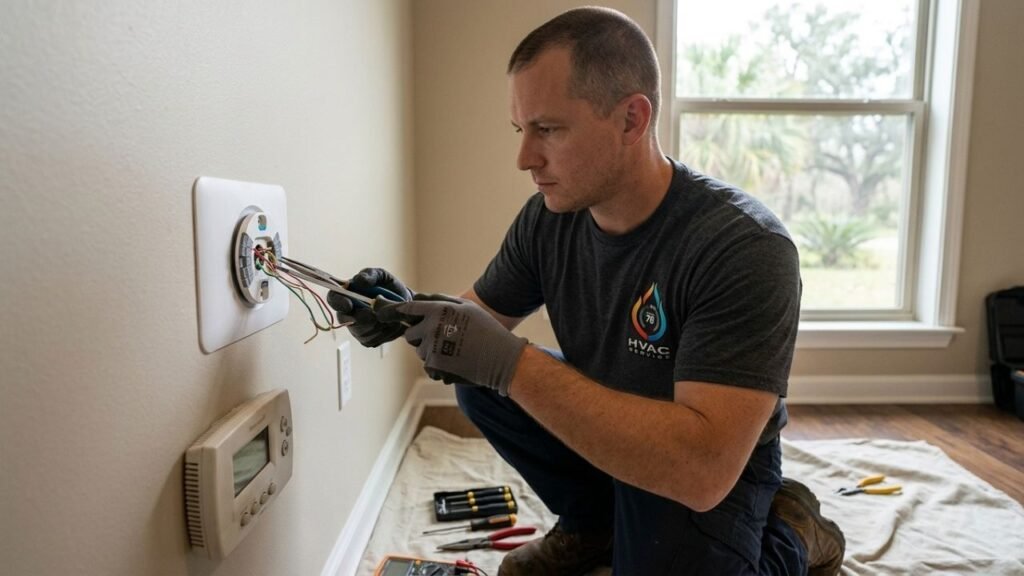
- Inspect visible wiring for damage or loose connections
If these steps don’t solve the problem, it’s time for professional diagnosis.
Professional Solutions from Zees Air Conditioning Inc.
Our technicians can:
- Test and calibrate your existing thermostat
- Replace faulty wiring or sensors
- Upgrade to a modern smart thermostat with better accuracy and humidity control
- Integrate zoning systems for better temperature balance
Schedule Professional Heating Repair in New Orleans
Prevention Tips to Avoid Thermostat Problems
- Replace batteries twice per year
- Keep the thermostat away from direct sunlight, vents, or heat sources
- Upgrade to a smart thermostat for better reliability
- Have your entire HVAC system serviced twice per year

Real Stories from Local Homeowners
A Gretna family thought their furnace was failing because the house stayed cold. We discovered a faulty thermostat with bad wiring. After replacement, their heating worked perfectly. Another New Orleans homeowner in Lakeview saved over $400 per year on energy bills after upgrading to a smart thermostat.
Summary: Don’t Ignore Thermostat Issues
A faulty thermostat can absolutely cause significant heating problems in New Orleans and Gretna homes. Recognizing the signs early and taking action can save you money, improve comfort, and prevent bigger HVAC failures.
Zees Air Conditioning Inc. is ready to help diagnose and fix thermostat and heating issues throughout the Greater New Orleans area.
Need help with your heating system? Schedule Professional Heating Repair in New Orleans
FAQs
Yes. It is one of the most common causes of uneven heating, constant running, and poor performance.
Inaccurate readings, short cycling, constant running, or no response to temperature changes are key signs.
Basic replacements range from $150 – $350. Smart thermostats cost $200 – $500 including installation.
If the system is old and has other issues, replacing both is often more cost-effective.
Yes. They offer better humidity control and remote monitoring, which is ideal for our climate.


