As the weather warms up in New Orleans, every homeowner should prioritize spring A/C maintenance. Our long, hot, and extremely humid summers put massive stress on air conditioning systems. Taking proactive steps in spring can mean the difference between a reliable, efficient cooling system and expensive emergency repairs during the peak of summer.
At Zees Air Conditioning Inc., we’ve helped thousands of New Orleans, Metairie, Gretna, Kenner, and Westbank homeowners prepare their HVAC systems for the demanding cooling season. This detailed Spring A/C Maintenance Checklist covers everything you need to know to keep your home comfortable, lower energy bills, and extend the life of your air conditioning system.
Why Spring Is the Best Time for A/C Maintenance in New Orleans
New Orleans has one of the most challenging climates for HVAC systems in the United States. With average summer humidity often exceeding 85–90% and temperatures regularly climbing into the mid-90s, your air conditioner runs almost nonstop for months.

Spring offers the perfect window for maintenance because:
- The system has rested during cooler months
- You can catch winter damage before summer heat arrives
- Parts and service availability are better than during peak season
- You avoid the rush (and higher prices) of emergency summer repairs
Skipping spring A/C maintenance is one of the most expensive mistakes New Orleans homeowners make. Dirty coils, clogged drains, and low refrigerant can cause your system to use 20–30% more electricity while delivering poor cooling performance.
Complete Spring A/C Maintenance Checklist
Here is a thorough, step-by-step checklist tailored specifically for New Orleans homes:
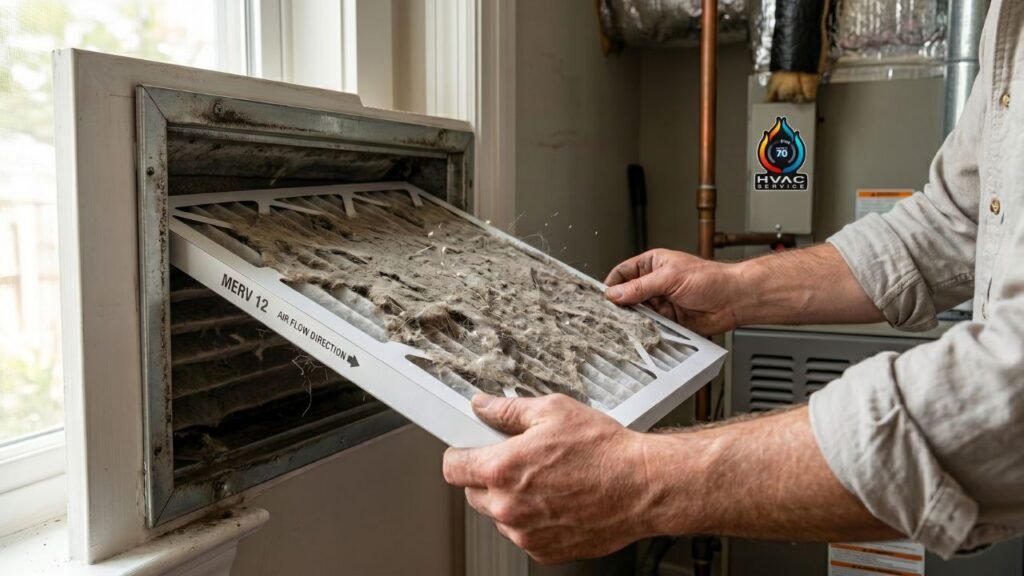
1. Replace All Air Filters This is the single most important task. In New Orleans, filters become clogged very quickly due to high pollen, dust, and humidity. Replace standard 1-inch filters every 30 days during spring and summer. Consider upgrading to pleated MERV 8–11 filters for better protection. Dirty filters restrict airflow and force your AC to work much harder.
2. Clean and Clear the Outdoor Condenser Unit Remove leaves, grass, dirt, and debris from around the unit. Ensure at least 2–3 feet of clearance on all sides. Use a gentle garden hose (low pressure) to clean the condenser fins. Never use a high-pressure washer, as it can bend delicate fins. This step alone can improve cooling efficiency significantly.
3. Inspect and Clean the Indoor Evaporator Coil The indoor coil is hidden inside your air handler and collects massive amounts of dust and mold in our humid climate. Professional cleaning with specialized solutions is strongly recommended. Dirty coils reduce cooling capacity and can cause the system to freeze up.
4. Check and Clear the Condensate Drain Line High humidity in New Orleans produces gallons of condensate daily. Clogged drain lines cause water backups, leaks, and potential mold growth inside your home. Flush the line with a vinegar-water mixture or have a technician use a wet/dry vacuum for thorough cleaning.
5. Test and Calibrate Your Thermostat An inaccurate thermostat causes your system to run unnecessarily long. Replace batteries and consider upgrading to a programmable or smart thermostat that better handles New Orleans humidity.
6. Inspect All Electrical Components Check capacitors, contactors, wiring, and connections for signs of wear or corrosion. This critical safety step should be performed by a licensed technician.
7. Check Refrigerant Levels and Look for Leaks Low refrigerant is very common after winter. Only certified technicians can properly test and recharge refrigerant while fixing any leaks found.
8. Lubricate Moving Parts and Check Belts Proper lubrication reduces friction and noise while preventing premature motor failure. Technicians also inspect belts for cracks and wear.
9. Inspect and Seal Ductwork Leaky or dirty ducts are extremely common in older New Orleans homes. Professional inspection and sealing can dramatically improve efficiency and comfort.
10. Test the Entire System Performance Run the AC for 30–60 minutes and check temperature drop, airflow, noise levels, and overall operation. A professional will measure key performance metrics.
Professional Spring A/C Maintenance vs DIY Efforts
While some basic tasks like changing filters and cleaning around the outdoor unit can be done by homeowners, a full professional spring A/C maintenance service includes deep coil cleaning, refrigerant checks, electrical testing, and safety inspections that homeowners cannot safely or effectively perform.
Major Benefits of Spring A/C Maintenance in New Orleans
- Lower Energy Bills — Clean, well-maintained systems use significantly less electricity
- Fewer Costly Repairs — Early detection prevents small issues from becoming major failures
- Better Humidity Control — Critical for comfort in our humid climate
- Improved Indoor Air Quality — Reduced dust, mold, and allergens
- Longer System Lifespan — Well-maintained AC units often last 3–7 years longer
- Consistent Comfort — Even temperatures throughout your home
- Peace of Mind — Know your system is ready for the hottest months
What Happens If You Skip Spring A/C Maintenance?
Many New Orleans homeowners learn the hard way. Skipping maintenance typically leads to:
- 20–40% higher energy bills
- More frequent and expensive repairs
- Poor cooling performance during heat waves
- Increased risk of complete system failure
- Higher indoor humidity and mold growth
- Reduced home comfort and air quality
Advanced Spring Maintenance Options for New Orleans Homes
Consider these upgrades during your spring service:
- UV light installation for mold control
- Whole-home air purification systems
- Smart thermostat installation
- Duct sealing and insulation improvements
- Surge protection for the AC unit
Spring A/C Maintenance Checklist Table
| Task | DIY or Pro? | Importance in New Orleans | Expected Benefit |
|---|---|---|---|
| Replace Air Filters | DIY | Very High | Better airflow & efficiency |
| Clean Outdoor Condenser | DIY/Pro | High | Improved heat release |
| Clean Evaporator Coil | Professional | Very High | Better cooling & humidity control |
| Clear Condensate Drain | DIY/Pro | High | Prevents leaks & mold |
| Check Refrigerant Levels | Professional | Very High | Optimal cooling performance |
| Electrical Inspection | Professional | High | Safety & reliability |
| Ductwork Inspection & Sealing | Professional | High | Major energy savings |
| Full System Performance Test | Professional | Very High | Early problem detection |
How Zees Air Conditioning Inc. Can Help
Our licensed technicians provide comprehensive spring A/C maintenance packages designed specifically for New Orleans homes. We go beyond basic tune-ups to deliver real, measurable improvements in performance and efficiency.
Visit our Homepage to explore all our services and maintenance plans.
Additional Spring Preparation Tips for New Orleans
- Trim trees and bushes around the outdoor unit
- Install or check surge protection
- Clean or replace return air grilles
- Ensure proper attic ventilation
- Test carbon monoxide detectors (if you have gas heating)

Real Results from Local Homeowners
Many of our customers report 15–30% lower cooling costs after following a proper spring maintenance routine. One Lakeview family avoided a $1,200 repair by catching a small refrigerant leak during their annual spring service.
Summary: Act Now Before Summer Heat Hits
Don’t wait until your AC fails during a heat wave. Following this Spring A/C Maintenance Checklist will help you stay cool, comfortable, and save money throughout the long New Orleans summer.
Whether you handle basic tasks yourself or schedule full professional service, spring maintenance is one of the smartest investments you can make for your home.
Ready for expert spring A/C maintenance? Contact Page – Reach out to Zees Air Conditioning Inc. today for professional service you can trust.
FAQs
March through mid-April is ideal for New Orleans homeowners.
Comprehensive tune-ups typically range from $95 to $195 depending on the level of service.
Yes. Well-maintained systems in New Orleans commonly last 12–18 years instead of 8–10 years.
Every 30 days is recommended due to high pollen and humidity.
Absolutely. Most customers recover the cost through energy savings within the first few months.


